Commercial Roof Leak Repair in Honolulu: Causes, Solutions, and Next Steps
· R&C Roofing Contractors
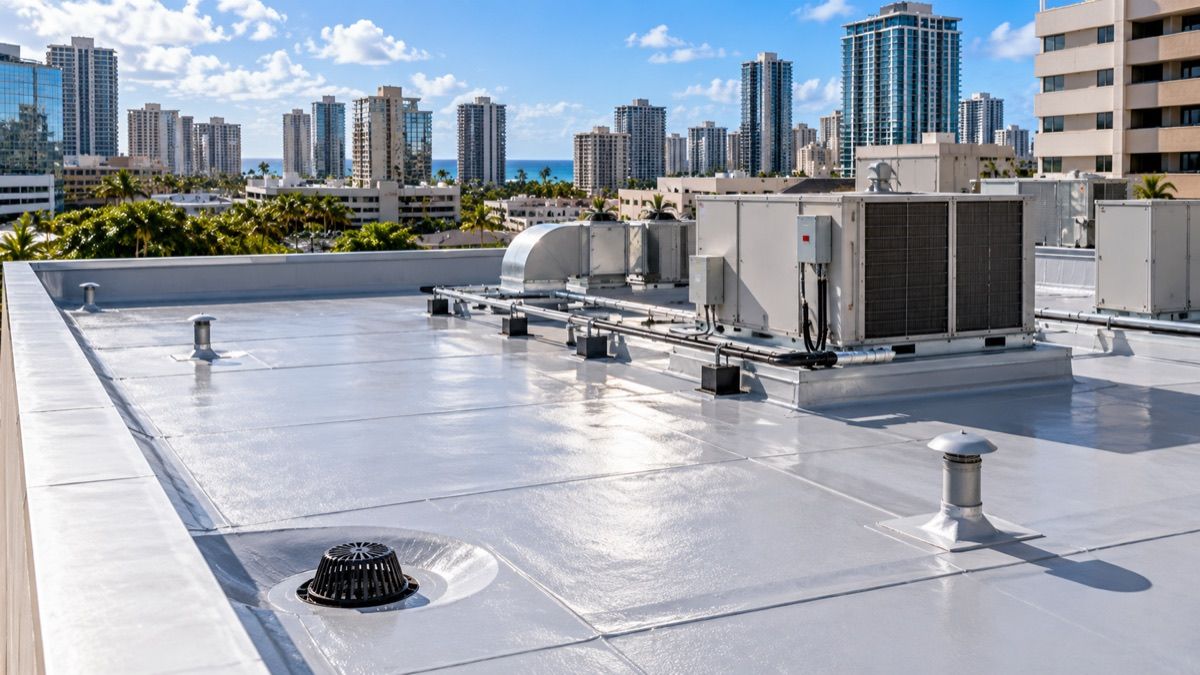
A leak in a commercial roof can quickly become more than a maintenance issue. Water entering an office, retail space, or warehouse can damage ceilings, equipment, inventory, and other building materials. For property managers, it can also create problems for tenants and disrupt daily operations.
The challenge is identifying where the water is coming from and determining what needs to be repaired.
A ceiling stain doesn't always indicate the exact location of the roof damage. Water can travel beneath roofing materials or along structural components before appearing inside the building. Repairing the wrong area may leave the original problem unresolved.
At R&C Roofing Contractors, we provide commercial roof inspections and repairs throughout Oahu. We focus on evaluating the existing roof and identifying appropriate solutions before recommending extensive work.
This guide covers common causes of commercial roof leaks in Honolulu, how repairs are approached, and what property owners should do when water starts entering their buildings.
Common Causes of Commercial Roof Leaks in Honolulu
Commercial roofs in Hawaii face year-round exposure to sunlight, humidity, heavy rain, and salt-laden air. Over time, these conditions can affect roofing materials, seams, flashing, and other vulnerable areas.
The specific cause of a leak depends on the roofing system, building design, maintenance history, and condition of the surrounding materials.
Damaged Roofing Membranes and Seams
Low-slope commercial roofs rely on properly sealed seams and connections to prevent water intrusion.
On modified bitumen roofing, for example, deteriorated seams or damaged membrane sections can create openings that allow moisture beneath the roof surface.
Previous repairs may also become vulnerable if the materials have deteriorated or the original damage was not fully addressed.
Deteriorated Flashing and Roof Penetrations
Flashing protects areas where roofing materials meet walls, equipment curbs, vents, and other roof components.
These transitions are common locations for water intrusion because they involve multiple materials and connections.
Commercial buildings often have rooftop HVAC equipment, pipes, and ventilation systems. When flashing or connections around these penetrations deteriorate, rainwater may enter the roof assembly.
Standing Water and Drainage Problems
Low-slope roofs are designed to direct water toward appropriate drainage points.
Blocked drains, deteriorated drainage areas, or changes in the roof surface can cause water to collect after rainfall.
Standing water does not automatically mean a roof is leaking. However, persistent ponding can expose damaged seams and other vulnerable areas to prolonged moisture.
When drainage contributes to a leak, repairing the roofing material alone may not resolve the underlying issue.
Corrosion on Commercial Metal Roofs
Salt exposure can accelerate corrosion of susceptible metal roofing components, particularly fasteners, flashing, and connections.
Leaks may develop around deteriorated fasteners, damaged panels, or improperly functioning flashing details.
The appropriate repair depends on the metal roofing system and how much of the affected area remains serviceable.
Identifying the Source of a Commercial Roof Leak
Finding the source of water intrusion is often more complicated than locating the interior damage.
Water can enter through one part of the roof and travel along decking, insulation, or structural components before reaching the ceiling.
For example, a stain near an office wall may originate from damaged flashing around rooftop equipment rather than directly above the affected room.
A commercial roof inspection helps narrow down the possible causes by evaluating:
- Roofing membranes and visible seam conditions
- Flashing around walls, edges, and equipment
- Roof drains and areas where water collects
- Penetrations, including vents and HVAC curbs
- Previous repairs and surrounding roofing materials
- Visible signs of deterioration or moisture-related damage
The timing of the leak can also provide useful information. Water intrusion that appears only during wind-driven rain may require a different investigation from a leak that develops after prolonged rainfall.
However, these patterns are clues rather than proof of a specific failure.
At R&C Roofing, we evaluate accessible roof conditions and explain what the findings suggest. Some concealed problems may require further investigation before the full extent of damage can be established.
Commercial Roof Repair Methods for Different Types of Damage
Not every commercial roof leak requires replacement. Many problems can be addressed through targeted repairs when the surrounding roofing materials remain in suitable condition.
The appropriate repair depends on the existing roof system and the extent of deterioration.
Modified Bitumen Roof Repairs
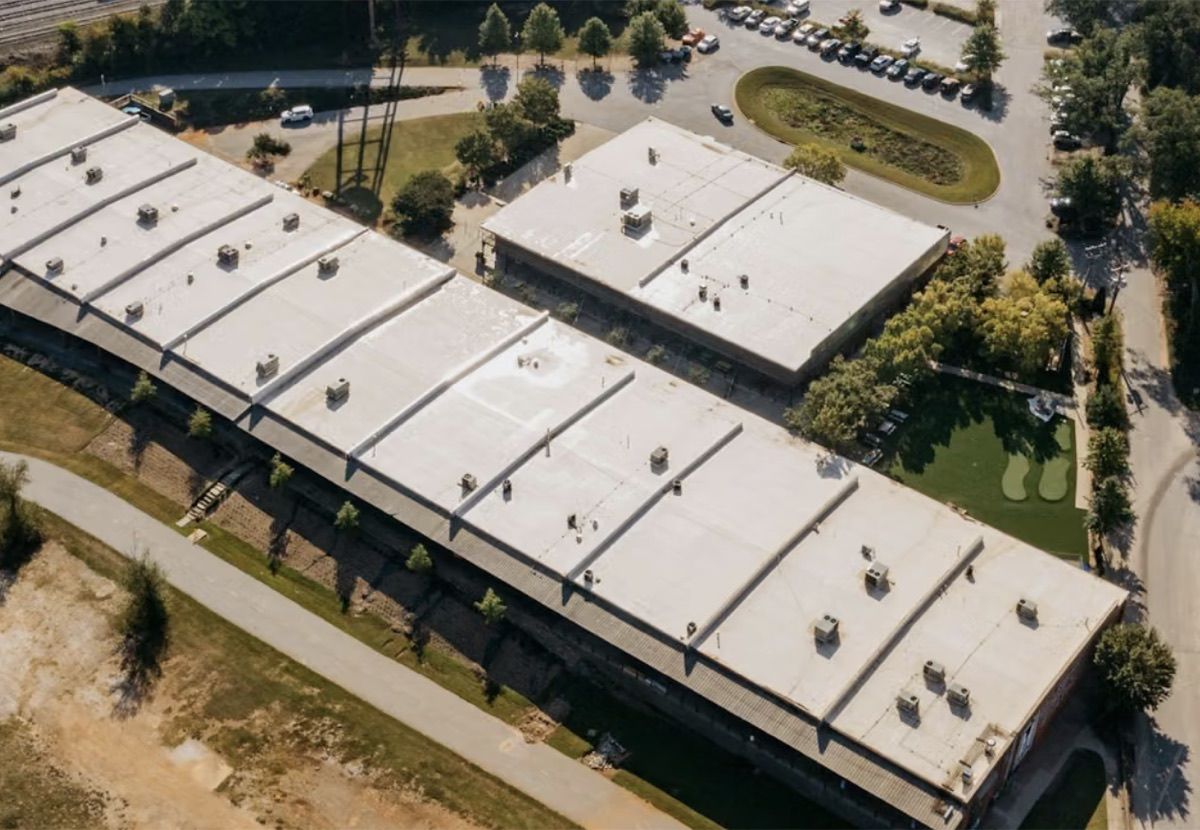
Modified bitumen is commonly used on low-slope commercial roofs and is one of the roofing systems we work with frequently.
Leaks can develop around seams, flashing connections, and damaged membrane sections.
Depending on the condition of the roof, repairs may involve restoring affected seams or replacing damaged membrane sections with compatible materials.
If deterioration extends beyond the visible opening, a larger repair area may be necessary.
Flashing and Penetration Repairs
Leaks around equipment curbs, vents, and wall connections often require repairs to the flashing assembly.
The objective is to restore the waterproofing connection between the roof and the adjoining component.
Simply applying sealant over a visible opening may not be sufficient if the underlying flashing or surrounding roofing material has deteriorated.
Commercial Metal Roof Repairs
Metal roofing repairs may involve addressing deteriorated fasteners, flashing, panel connections, or damaged sections.
In coastal environments, corrosion resistance and compatibility with the existing roofing system are important considerations.
A localized repair may be appropriate when surrounding components remain serviceable. More extensive deterioration may require replacement of affected materials.
Silicone Roof Coatings for Suitable Roofs
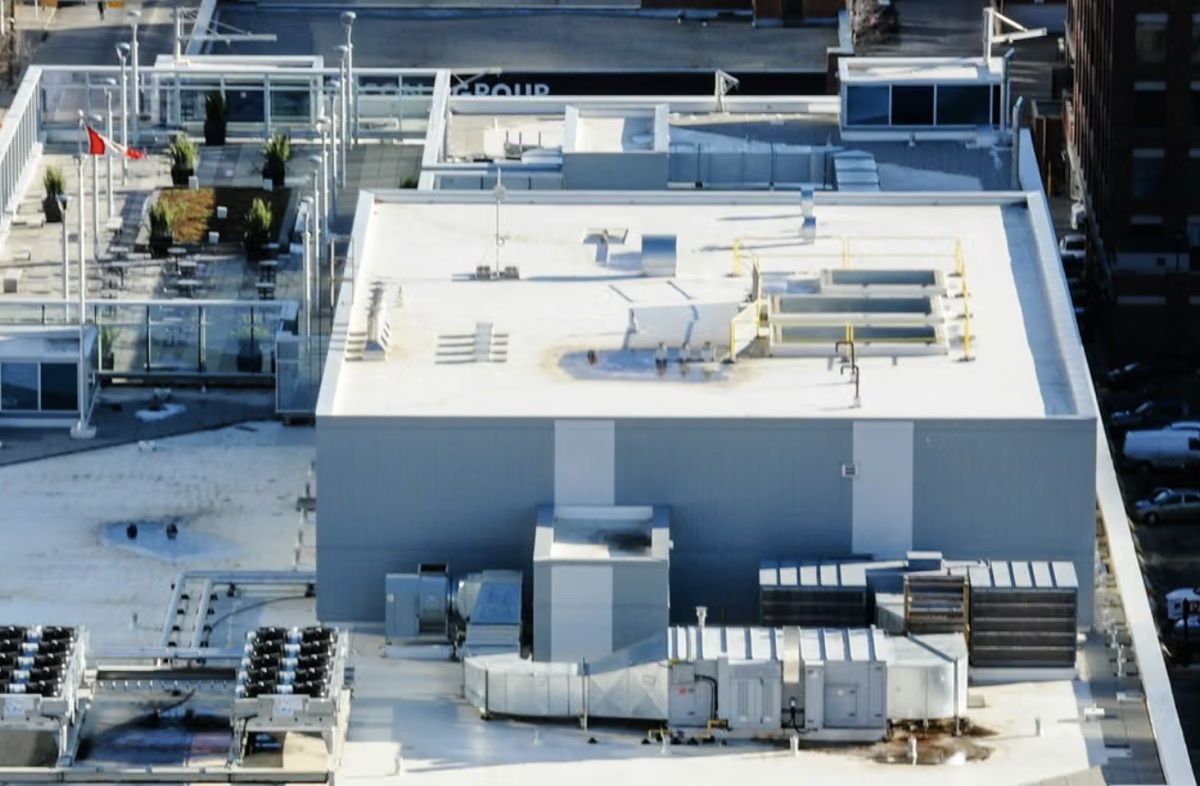
Silicone roof coatings may be considered when an existing commercial roof is a suitable candidate for restoration.
A coating is not automatically the best response to an isolated leak.
Before recommending one, we evaluate the existing roof's condition, including the substrate, drainage, and any damage that needs to be addressed.
Coatings should not be used to cover wet insulation, deteriorated decking, or other underlying problems.
For additional information about our work, visit our commercial roofing services page.
Immediate Steps to Take During a Commercial Roof Leak
When water enters an occupied commercial building, protecting people and property should come before attempting roof repairs.
Keep people away from affected areas. Water near electrical equipment, lighting, or damaged ceiling materials can create serious hazards. Restrict access and arrange assistance from an appropriately qualified professional when necessary.
Protect inventory and equipment where safe. Move portable items away from the leak and contain water using appropriate measures that do not expose employees to additional hazards.
Document the damage. Photograph visible water intrusion and affected areas. Record when the leak occurred, especially if it followed strong winds or heavy rainfall.
Arrange a professional inspection. Avoid sending untrained staff onto a wet or damaged roof. A roofing contractor can evaluate the conditions when access is safe and determine what repairs may be appropriate.
If the leak may involve storm damage and an insurance claim, review your policy's reporting requirements. We can provide contractor-side photographs and roofing estimates, but the property owner is responsible for filing directly with the insurer.
For additional immediate safety guidance, see our article on steps to take during a major roof leak.
Common Reasons Commercial Roof Leaks Return After Repairs
A recurring leak can indicate that the original problem was not fully addressed or that additional deterioration has developed.
Several conditions may contribute.
The original entry point was missed. Water can travel beneath the roof surface, so repairing the area directly above a ceiling stain may not resolve the actual leak source.
The surrounding materials are deteriorating. A patch may address one opening while adjacent seams or flashing remain vulnerable.
Drainage problems remain unresolved. Persistent water accumulation can continue to expose weak points to moisture.
Multiple roof components are failing. On an aging roof, different seams, penetrations, or flashing details may begin leaking at different times.
Repeated leaks deserve a closer evaluation of the roof's overall condition rather than another repair based only on the latest interior stain.
In some cases, targeted repair remains practical. In others, widespread deterioration may make restoration or replacement a more appropriate long-term decision.
Our article on repairing versus replacing a roof explains the broader factors behind that decision.
The Commercial Roof Repair Process
A commercial roof repair should begin with an understanding of the problem and the existing roofing system.
At R&C Roofing, our work generally follows three stages.
Roof Inspection and Assessment
We evaluate accessible roof conditions, review the leak history, and look for visible deterioration that may explain the water intrusion.
The inspection helps determine whether the problem appears localized or whether additional areas need attention.
Our roof inspections and estimates are free. Formal written inspection reports are available for an additional fee, which we explain beforehand.
Repair Recommendations and Estimate
Based on the findings, we explain the proposed repair scope and provide an estimate.
This may involve a localized membrane repair, flashing work, or another solution appropriate for the existing roof.
If broader deterioration is present, we discuss whether additional repairs, restoration, or replacement should be considered.
Repair Planning and Coordination
Commercial roofing work may require coordination with property managers, tenants, maintenance personnel, or other contractors.
Access to rooftop equipment, occupied spaces beneath the work, and the location of the damaged area can affect project planning.
We discuss the roofing scope and coordination requirements before approved work proceeds.
Schedule a Commercial Roof Inspection With R&C Roofing
A commercial roof leak does not automatically mean you need a new roof. The first step is identifying the source of the water intrusion and understanding the condition of the surrounding materials.
R&C Roofing Contractors is based in Honolulu and serves commercial property owners and managers throughout Oahu.
Our team has more than 50 years of combined crew experience, and Robert Pilato is our HAAG Certified roof inspector.
We offer free roof inspections and estimates to help you understand the condition of your roof and the repair options worth considering.
If your commercial roof is leaking or previous repairs haven't resolved the problem, contact R&C Roofing Contractors or call (808) 888-2524 to request an inspection.
R&C Roofing Contractors | Hawaii Contractor License CT-33642