Immediate Steps to Take During a Major Roof Leak
· R&C Roofing Contractors
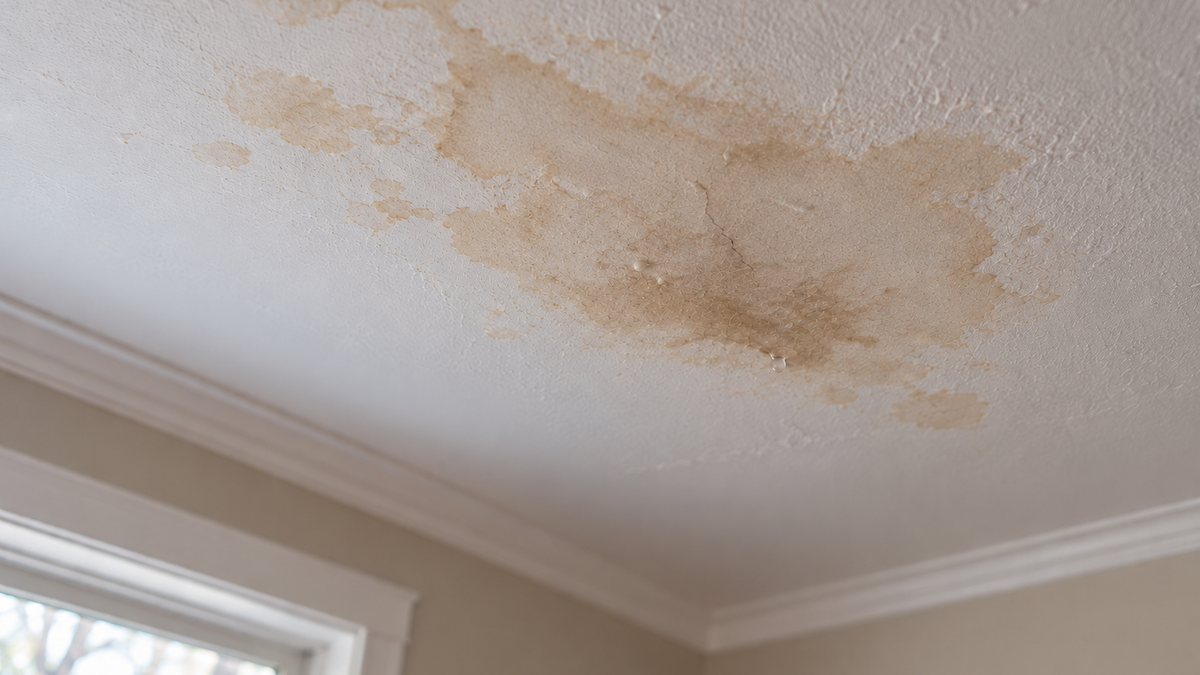
Heavy valley downpours and wind-driven rain are part of life on Oahu. When water begins entering the living space, the priority is simple: protect people, limit interior damage, and create a clear record of what is happening. The permanent roof repair comes later. The actions taken in the first hour often determine how extensive the secondary damage becomes.
This guide provides a calm, sequential response for homeowners dealing with an active leak. It focuses on safety, containment, documentation, and the point at which professional evaluation is needed. It does not encourage climbing on a wet roof or attempting permanent repairs during a storm.
First Priorities: Safety and Electrical Hazards
Water and electricity create immediate risk. If the leak is near light fixtures, ceiling fans, outlets, or the electrical panel, treat the area as hazardous until power is controlled.
- Keep people and pets away from the wet zone.
- If water is contacting electrical components and you can reach the breaker panel safely without standing in water, shut off the affected circuit.
- Do not touch wet switches, fixtures, or wiring.
- If you cannot safely reach the panel, leave the area and contact an electrician or emergency services if needed.
Once the electrical risk is addressed, move to containment.
Contain the Water Inside the Home
The goal is to collect water before it spreads into flooring, insulation, or adjacent rooms.
- 1.Place buckets, trash cans, or large plastic containers directly under every active drip.
- 2.Lay towels or absorbent materials around the bases of the containers to catch splashes.
- 3.If water has pooled inside a ceiling and the drywall is bulging, carefully make a small hole at the lowest point of the bulge so the water drains in a controlled stream into a bucket. A controlled release is preferable to an uncontrolled collapse of saturated drywall.
- 4.Move furniture, rugs, electronics, documents, and other water-sensitive items out of the affected area or cover them with plastic sheeting.
- 5.Check the containers regularly. Overflow creates additional damage.
Do not attempt to dry the ceiling or walls aggressively while water is still entering. Focus on collection and isolation of the wet zone.
Document the Conditions Before Cleanup
Clear photographs and notes support both repair decisions and any future insurance review. Take them before moving items or beginning extensive cleanup.
- Photograph the drip locations, ceiling stains, floor damage, and any affected belongings from multiple angles.
- Include wide shots that show the room context.
- Note the date, time, and weather conditions if possible.
- Record any observations about when the leak began or whether it intensified with wind direction.
This documentation is useful whether the cause turns out to be a localized flashing failure, storm impact, or broader roof deterioration.
What Not to Do During the Storm
Certain actions increase risk or complicate later repairs.
- Do not climb onto a wet roof. Slippery surfaces, high winds, and limited visibility make falls likely.
- Do not attempt to nail tarps or apply roofing cement from a ladder during active rain.
- Do not remove large sections of wet insulation or drywall unless necessary for safety; uncontrolled demolition can spread moisture and debris.
- Do not assume the visible ceiling stain marks the exact entry point on the roof. Water often travels along rafters or underlayment before appearing inside.
Temporary exterior measures such as properly secured tarps are best left to trained crews who can work safely once conditions allow.
When to Call for Professional Help
Once the interior is stabilized and the weather permits safe access, a licensed roofing contractor should evaluate the source. An active leak does not automatically mean the entire roof needs replacement. Many leaks originate at a single failed pipe boot, deteriorated flashing, or a localized area of damaged shingles. A diagnostic inspection distinguishes between isolated problems and systemic failure.
R&C Roofing begins with an inspection-first approach. Robert Pilato, HAAG Certified Inspector (Certification #201408313), evaluates the roofing system, documents visible conditions, and explains whether a targeted repair or a broader solution is appropriate. The company operates under Hawaii Contractor License C-33642 and can move from inspection to repair when the findings support it.
If the leak appears related to a recent storm, R&C can provide contractor-side documentation of visible damage. The company does not act as a public adjuster, negotiate settlements, or guarantee claim outcomes. You file directly with your carrier. Details of that process are available on the claims support page.
Inspections and estimates are free. Written reports for insurance or personal records carry a quoted fee.
Relevant Services After an Active Leak
R&C Roofing supports Oahu homeowners through the full sequence from emergency response to lasting repair:
- Roof inspections that locate the source of water intrusion and assess the surrounding system
- Targeted roof repair of failed flashing, damaged shingles, or localized deck issues when the rest of the roof remains serviceable
- Full residential roof replacement when widespread deterioration makes repair impractical
- Gutter systems that improve drainage and reduce future edge-related problems
Every recommendation is based on the documented condition of the roof rather than a predetermined sales path.
Practical Sequence at a Glance
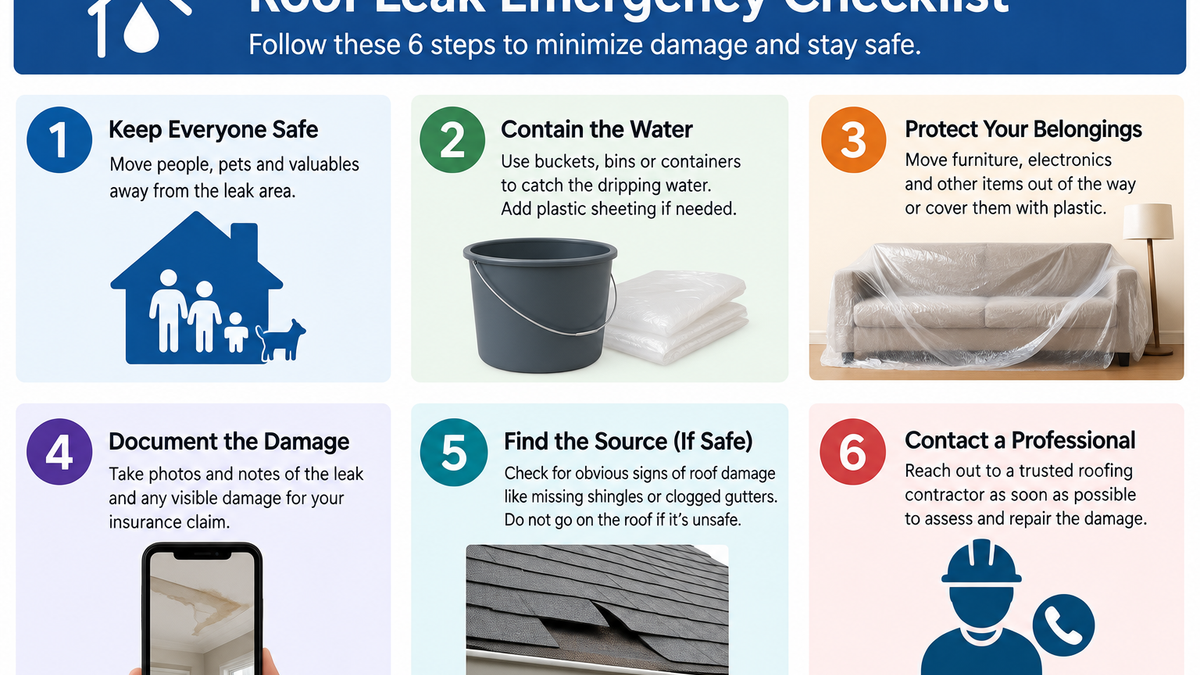
| Step | Action | Purpose |
|---|---|---|
| 1 | Address electrical risk | Protect people from shock hazard |
| 2 | Contain water with buckets and towels | Limit spread to flooring and belongings |
| 3 | Relieve bulging ceilings carefully | Prevent uncontrolled collapse |
| 4 | Move or cover valuables | Reduce secondary damage |
| 5 | Photograph everything | Create a clear record |
| 6 | Call a licensed contractor once safe | Identify and correct the source |
Frequently Asked Questions
Should I try to find the leak on the roof myself during the rain?
No. Wet roofs are slippery and dangerous. Interior containment and documentation are the safe first actions. Leave exterior assessment to professionals once conditions allow.
Is a ceiling stain always directly below the roof entry point?
No. Water can travel horizontally along rafters, underlayment, or framing before dripping into the living space. The visible stain is a symptom, not a precise map of the exterior failure.
When is a temporary tarp appropriate?
A properly secured tarp can limit further water entry after the storm passes and before permanent repairs begin. Improperly fastened tarps can cause additional damage in high winds. Trained crews should handle exterior temporary measures.
Does an active leak mean I need a full roof replacement?
Not necessarily. Many leaks are localized and suitable for targeted repair. Only an inspection of the full system can determine the correct scope.
How quickly should I schedule an inspection after a leak?
As soon as weather and access allow. Early evaluation reduces the chance of secondary damage to the roof deck and interior finishes.
Move from Emergency Response to Clear Facts
An active roof leak during heavy Oahu rain is stressful, yet a calm sequence of interior actions protects the people and contents of the home. Once the immediate risk is controlled, a professional inspection provides the information needed to decide on repair or replacement without guesswork.
R&C Roofing evaluates active and recent leaks with HAAG Certified expertise and local knowledge of windward moisture, leeward UV stress, and coastal exposure. The process starts with a free inspection and estimate so you understand the actual condition of the roof and the practical next steps.
Call (808) 888-2524 or schedule through the website. Clear documentation of the problem allows you to protect the home efficiently and avoid unnecessary work.