The Hidden Vulnerability: Why Valley Flashing Fails First
· R&C Roofing Contractors
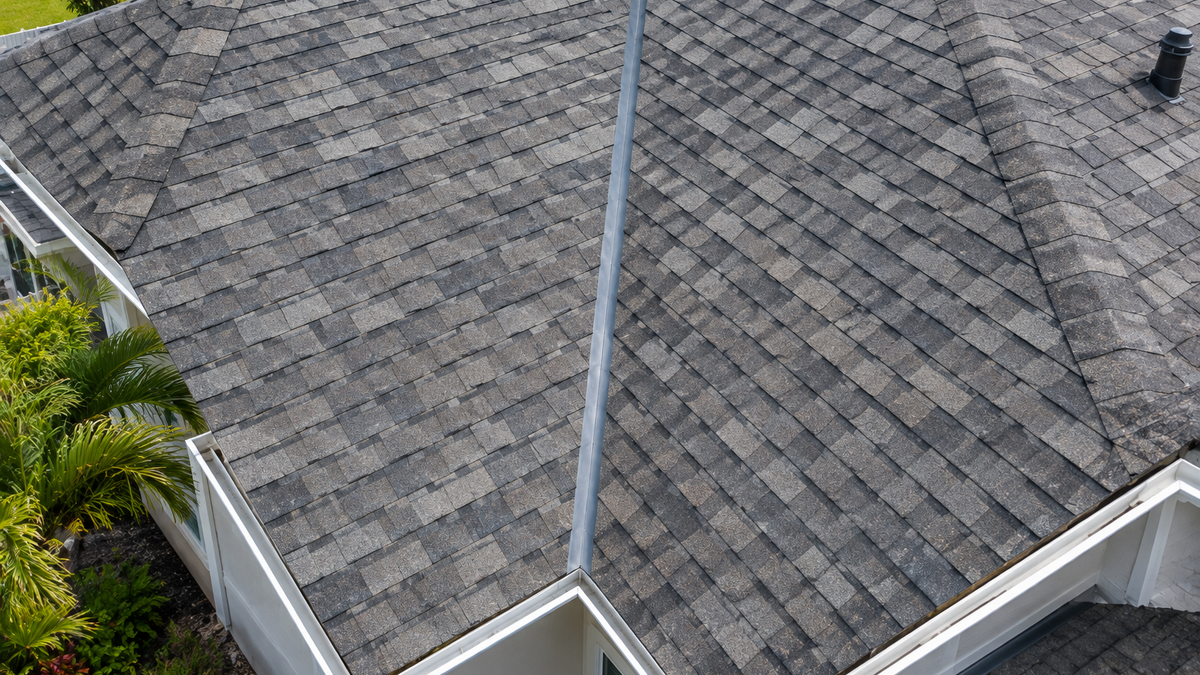
On many Oahu roofs the first place water finds a path inside is the valley. These are the low points where two roof planes meet and channel rainfall toward the eaves. Because valleys collect water from large areas of the roof, they experience higher volumes and faster flow than open slopes. When the flashing that lines the valley deteriorates or is installed incorrectly, leaks appear sooner than in other locations.
Understanding the physics of water runoff in valleys and the role of proper metal flashing helps homeowners recognize early warning signs and make informed decisions about repair or replacement. This guide explains why valleys are especially vulnerable under Hawaii conditions and what a thorough evaluation can reveal.
How Water Behaves in a Roof Valley
Rain that falls on the upper slopes flows downhill by gravity. When two slopes meet, their runoff combines into a single concentrated stream. The volume of water in the valley can be several times greater than the flow across an open plane. During heavy valley downpours common on the windward side of Oahu, that concentrated stream carries significant force and volume.
The water also moves at higher velocity. Fast-moving water exerts more pressure against any weak point in the flashing or the surrounding shingles. Wind-driven rain adds another stress: it can push water upslope against the normal flow direction, testing the seals at the upper edges of the valley.
These conditions make the valley the most demanding location on the roof for waterproofing details.
Why Flashing Is the Critical Component
Valley flashing is the continuous metal channel or sheet that sits under the shingles along the valley line. Its job is to collect the concentrated runoff and direct it safely to the eaves without allowing water to reach the roof deck. Common materials include aluminum, galvanized steel, and copper, each chosen for durability and corrosion resistance.
Two primary installation methods are used:
- Open valleys leave a visible strip of metal exposed between the shingle edges.
- Closed valleys cover the metal with overlapping shingles so the flashing is hidden.
Both methods depend on correct layering, adequate width, and secure fastening. The metal must extend far enough under the adjacent shingles to prevent water from migrating sideways. Seams, if present, must be sealed or overlapped in a way that maintains continuous protection.
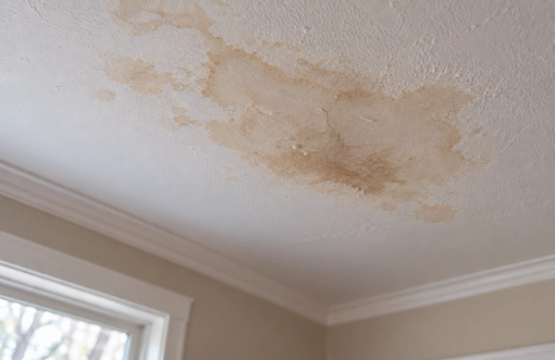
When the metal corrodes, lifts, or is punctured, or when the surrounding shingles pull away, water can reach the underlayment and deck. Once that happens, leaks often appear inside at the ceiling below the valley or along interior walls.
Oahu Conditions That Accelerate Valley Failure
Several local factors increase the stress on valley flashing:
- High rainfall volumes on the windward side and in valley neighborhoods create sustained heavy flow.
- Salt air accelerates corrosion of unprotected metal, especially near the coast.
- Intense UV exposure hardens and cracks sealants that may have been used at the edges.
- Thermal expansion and contraction from daily temperature swings can loosen fasteners or create gaps over time.
- Debris such as leaves and branches that collect in valleys traps moisture against the metal and slows drainage.
These conditions mean that valley flashing on Oahu often shows wear earlier than the same detail would on a mainland roof with milder weather.
Common Failure Modes
| Failure Mode | Typical Cause | Visible Indicators |
|---|---|---|
| Corrosion of metal | Salt air or prolonged moisture contact | Rust stains, pitting, or thinning of the flashing surface |
| Lifted or buckled metal | Improper fastening or thermal movement | Gaps between metal and shingles, raised edges |
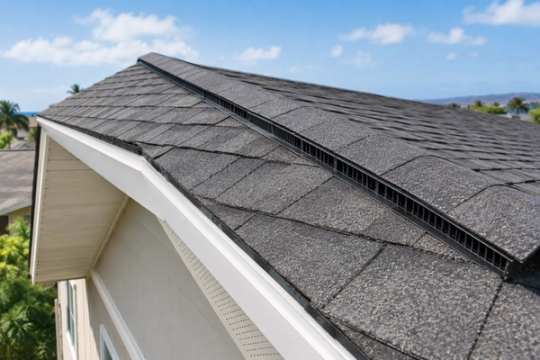
| Shingle separation | Wind uplift or aging adhesive | Exposed edges of the valley metal, missing granules at the junction |
| Debris accumulation | Tree cover or inadequate slope | Standing water, organic buildup, staining |
| Underlayment exposure | Incomplete coverage or prior damage | Dark or soft spots along the valley line when inspected |
The Importance of a Professional Evaluation
Valley problems are not always obvious from the ground. A small gap or corroded section can allow water to enter while the rest of the roof appears sound. A structured inspection examines the full length of each valley, checks the condition of the metal and the surrounding materials, and determines whether the issue is localized or part of broader system wear.
R&C Roofing evaluates valleys as part of a complete roof assessment. Robert Pilato, HAAG Certified Inspector (Certification #201408313), documents visible conditions and explains the findings in clear terms. The company operates under Hawaii Contractor License C-33642 and can proceed from inspection to targeted repair or full replacement when the scope is appropriate.
If the leak appears related to weather impact, R&C provides contractor-side documentation of the visible damage. The company does not act as a public adjuster or guarantee claim outcomes. Details of that process are available on the claims support page.
Inspections and estimates are free. Written reports for personal records or insurance purposes are available at a quoted fee.
Relevant Services for Residential Property Owners
R&C Roofing addresses valley-related concerns with the same inspection-first approach used on all residential work:
- Roof inspections that examine valley flashing, surrounding shingles, and the condition of the underlying deck
- Targeted roof repair of failed valley metal, damaged adjacent shingles, or related flashing issues when the rest of the system remains serviceable
- Full residential roof replacement that includes properly detailed valleys matched to the property’s geometry and exposure
- Coordination of material selection so new valley flashing resists corrosion and integrates with the overall roof system
Recommendations are based on the documented condition of the roof rather than a fixed product preference.
Frequently Asked Questions
Why do valleys leak before other parts of the roof?
Valleys collect and concentrate runoff from large areas of the roof. The higher volume and velocity of water place greater stress on the flashing and the surrounding materials, so wear and failure often appear there first.
Can valley flashing be repaired without replacing the entire roof?
Yes, when the damage is localized and the surrounding system remains sound. A targeted repair that replaces the failed metal and restores the adjacent shingles is often the practical solution.
What type of metal is best for Oahu valleys?
Corrosion-resistant options such as aluminum or appropriately coated steel perform well in salt-air environments. The specific choice depends on the roof design, budget, and compatibility with the surface materials.
How can I tell if my valleys are failing?
Look for water stains on interior ceilings below valley lines, visible gaps or rust along the valley, missing shingles at the junction, or debris that remains wet long after rain. A professional inspection provides a definitive assessment.
Does proper valley detailing help during wind-driven rain?
Yes. Correctly layered metal that extends under the adjacent shingles and is securely fastened reduces the chance that wind-driven water will be forced under the surface materials.
Address the Weak Point Before It Becomes a Larger Problem
Valley flashing is a small portion of the total roof surface, yet it handles a disproportionate share of the water. When it fails, the resulting leaks can damage the deck, insulation, and interior finishes. Early identification and correct detailing prevent that progression.
R&C Roofing evaluates valley conditions with HAAG Certified expertise and practical knowledge of Oahu’s rainfall patterns, salt air, and wind exposure. The process begins with a free inspection and estimate so you understand the actual condition of the valleys and the practical options for repair or replacement.
Call (808) 888-2524 or schedule through the website. Clear documentation of the roof’s most vulnerable points supports decisions that protect the home efficiently.