Best Roofing Companies on Oahu: A Practical Guide to Comparing Roofers
· R&C Roofing Contractors
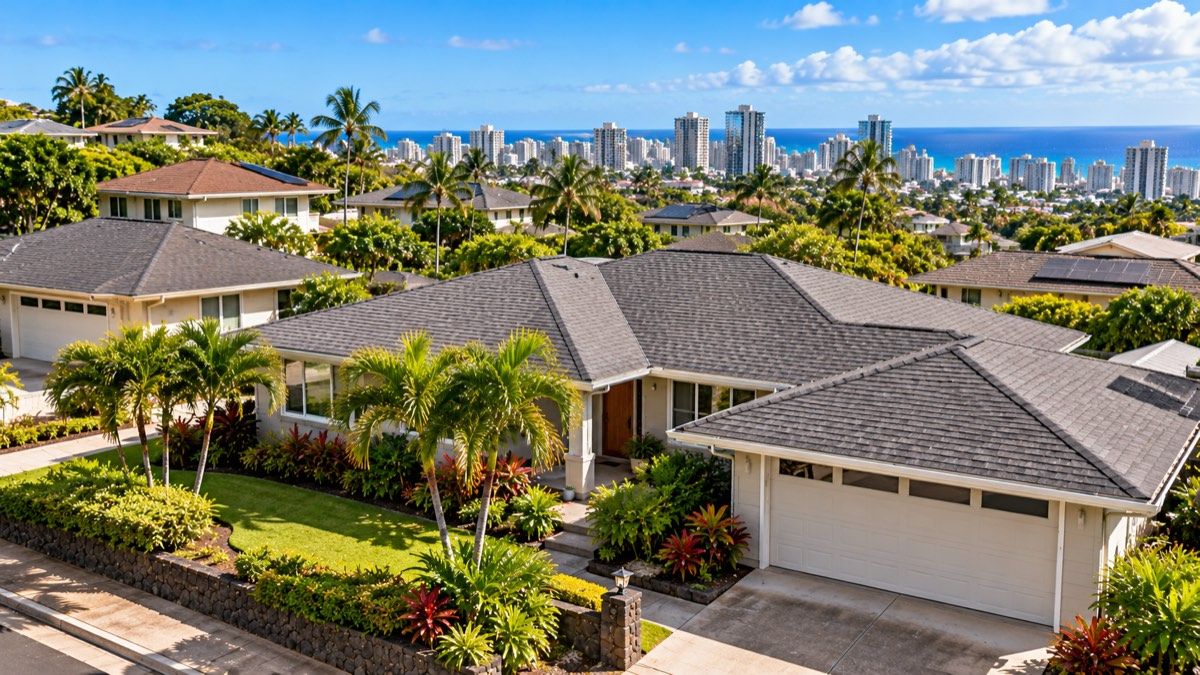
Finding the best roofing company on Oahu isn't simply about choosing the contractor with the highest online rating or lowest estimate. The right company should be licensed for the work, experienced with your type of roofing system, and able to explain what your roof actually needs.
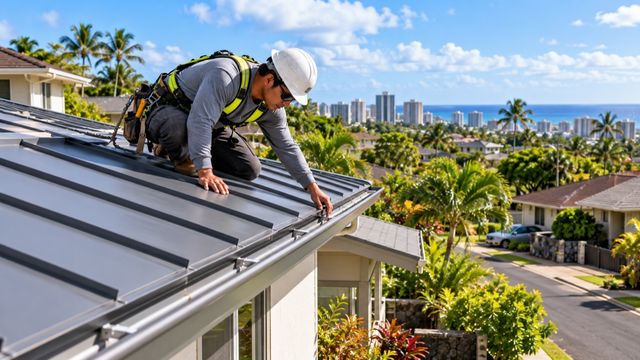
Oahu's roofing conditions make that decision especially important. Coastal salt exposure can affect metal components, while strong sunlight, heavy rain, and wind place different demands on roofing materials and installation details.
Whether you're dealing with a recurring leak, planning a roof replacement, or maintaining a commercial property, comparing contractors on the same criteria will help you make a more informed decision.
At R&C Roofing Contractors, we believe homeowners should understand their options before committing to major roofing work. We're one of the roofing companies serving Oahu, and this guide explains the standards we encourage property owners to use when evaluating us or any other contractor.
What to Look for in an Oahu Roofing Company
A dependable roofing contractor should be able to explain its qualifications, the work it performs, and how it approaches your particular roofing problem.
Start with these five areas.
1. A Verifiable Hawaii Contractor License
Before requesting major roofing work, confirm that the contractor holds the appropriate Hawaii license.
Hawaii's Department of Commerce and Consumer Affairs (DCCA) provides a public licensing search where you can check contractor records.
Use the Hawaii DCCA Professional and Vocational Licensing resources to find the official license lookup.
Check the contractor's license status and classification, not just the number displayed on its website or business card.
Our contractor license is CT-33642, with a C-42 roofing classification.
A valid license is an essential starting point, but it should not be your only consideration.
2. Experience With Your Roofing System
Different roofs require different repair methods and installation knowledge.
A contractor experienced with asphalt shingles may not necessarily specialize in low-slope commercial systems. Likewise, a company that primarily installs new roofs may approach maintenance differently from one that regularly investigates leaks.
Ask whether the contractor works with your existing roof type and whether it can explain the materials and methods appropriate for your property.
For Oahu buildings, this includes understanding how exposure conditions affect flashing, fasteners, waterproofing, and drainage.
3. Clear Inspection Findings
A roofing recommendation should follow an assessment of the roof's condition.
A leak does not always mean the entire roof needs replacement. Water may enter through deteriorated flashing, damaged roofing materials, or a penetration where waterproofing has failed.
An inspection helps identify visible conditions before the contractor proposes a repair or replacement.
Ask what the inspection includes, whether there is a fee, and whether a formal written report costs extra.
4. A Detailed Roofing Estimate
A useful estimate should explain the work being proposed.
For a replacement, that may include removing existing materials, preparing the roof, installing the new system, and addressing flashing or other necessary components.
For repairs, the estimate should identify the affected area and proposed repair method.
Be cautious when an estimate contains only a total price without enough information to understand what is included.
5. Communication and Follow-Through
Roofing projects can involve scheduling, access, material deliveries, and unexpected conditions.
Before hiring, ask how the company communicates changes, handles additional work, and addresses concerns after completion.
Recent customer reviews may help you identify patterns, but consider the details of each review rather than relying entirely on the overall star rating.
Comparing Roofing Companies on the Same Criteria
The most useful comparison is one that applies consistent questions to every contractor.
Rather than treating an online ranking as a final recommendation, use the following checklist when collecting information from roofing companies on Oahu.
| Comparison factor | Information to request | Why it matters |
|---|---|---|
| Hawaii contractor license | License number, status, and classification | Helps verify authorization for the work |
| Roofing experience | Experience with your roof type | Establishes relevance to your project |
| Inspection process | Scope, limitations, and fees | Clarifies how recommendations are developed |
| Written estimate | Materials, work scope, and exclusions | Makes proposals easier to compare |
| Insurance documentation | Contractor-side services offered | Clarifies support after storm damage |
| Project communication | Scheduling and change procedures | Establishes expectations |
| Warranty terms | Written coverage and exclusions | Helps clarify responsibilities after completion |
| Customer feedback | Recent, relevant reviews and references | Provides context about past customer experiences |
You can apply these criteria to any contractor you're considering.
A company may be well suited to a full roof replacement but not necessarily the best fit for a small leak repair or a specialized commercial project.
The objective is to identify the contractor whose qualifications and proposed scope match your needs.
Matching the Roofing Company to Your Project
Not every roofing project requires the same services.
Understanding what you need helps narrow the companies worth contacting.
Residential Roof Repairs and Replacement
For homeowners, the first decision is often whether a damaged area can be repaired or whether replacement should be considered.
A roofing company should evaluate the condition of the existing system before recommending extensive work.
Localized flashing damage or isolated roofing deterioration may call for a repair. Widespread damage or a roofing system that can no longer be repaired effectively may require a different approach.
We provide residential roof repair and replacement services on Oahu, beginning with an assessment of the existing roof.
Commercial and Multi-Unit Roofing
Commercial and multi-unit properties may involve low-slope roofs, rooftop equipment, drainage systems, and access restrictions.
These conditions can affect inspection methods, repair planning, and project coordination.
Property managers and association representatives should ask prospective contractors about experience with the building's roofing system and the documentation needed for maintenance or replacement planning.
For these projects, a clear scope and communication plan can be especially important.
Storm Damage and Insurance-Related Roofing Work
After strong winds or other damaging weather, homeowners may need photographs and roofing estimates to support an insurance claim.
Ask whether the contractor provides roof damage documentation and what its role is during the claims process.
A roofing contractor can evaluate physical conditions and estimate the roofing work required. The insurance company determines coverage and claim payments.
We provide contractor-side roof insurance claim documentation assistance, including inspections and roofing estimates.
We do not act as public adjusters or guarantee insurance claim outcomes.
Roofing Qualifications Worth Understanding
Professional credentials can provide useful information about a contractor's capabilities, but they should be interpreted accurately.
For example, HAAG certification is associated with specialized training in assessing roof damage.
At R&C Roofing, Robert Pilato individually holds HAAG certification #201408313.
That credential supports his roof damage assessment expertise. It does not mean every member of our crew is HAAG Certified or that an insurance company must accept a particular conclusion.
Our roofing team also brings more than 50 years of combined experience.
When evaluating any roofing company, distinguish between individual credentials, company licenses, and crew experience. They describe different qualifications.
Ask how each is relevant to your project rather than assuming that one credential establishes expertise in every roofing service.
Comparing Roofing Estimates Without Focusing Only on Price
A lower roofing estimate may be attractive, but it is important to understand why the prices differ.
Two contractors may propose different roofing materials, preparation methods, or approaches to existing damage.
For example, one replacement estimate may include removing deteriorated flashing while another assumes existing flashing can remain.
Those proposals are not necessarily equivalent.
When reviewing estimates, compare:
- The areas of the roof included in the work
- The specified roofing materials and related components
- Removal and disposal requirements
- Treatment of damaged decking or concealed conditions
- Applicable permitting responsibilities
- Written warranty and payment terms
- How changes to the scope will be approved
If an estimate includes allowances or excludes certain work, ask the contractor to explain those details before signing.
A clearly documented proposal makes it easier to understand the value of the work rather than choosing solely by the total price.
Warning Signs When Comparing Roofing Contractors
Some warning signs deserve closer attention before entering a roofing agreement.
These include:
- A contractor who cannot provide a license number for verification
- An estimate that does not identify the proposed work
- Pressure to approve a replacement before the roof has been evaluated
- Verbal promises that are not reflected in the written agreement
- Unclear payment terms or procedures for additional charges
- Guarantees that an insurance company will approve a claim
A contractor should be willing to explain the proposed scope and answer reasonable questions.
For additional guidance on licensing, insurance, and hiring considerations, see our guide to hiring a licensed roofing contractor in Honolulu.
How R&C Roofing Approaches Roof Inspections and Estimates
At R&C Roofing Contractors, our approach begins with evaluating the roof's actual condition.
We believe the first recommendation should not automatically be a new roof.
If the observed conditions support a targeted repair, we explain that option. If more extensive work is necessary, we discuss the reasons and prepare an estimate for the proposed scope.
Our services include residential and commercial roofing, roof inspections, repairs, replacement, gutters, and contractor-side insurance documentation.
We offer free roof inspections and estimates throughout Oahu.
If you need a formal written inspection report, we explain the separate fee in advance.
Our Honolulu office is open Monday through Friday, 8 a.m. to 4:30 p.m. The website also provides after-hours chat for inquiries, although that does not mean around-the-clock emergency dispatch is guaranteed.
We encourage property owners to compare our findings and estimates with other qualified contractors before making a decision.
Choose an Oahu Roofing Company With Confidence
The best roofing company for your property is one that can demonstrate the right qualifications, explain the roof's condition, and provide a clear scope of work.
Start by verifying the contractor's license. Then compare experience with your roofing system, inspection findings, estimates, and communication.
Taking the time to evaluate those details can help you make a more informed decision about your roof.
If you're considering repairs, replacement, or a roof inspection on Oahu, we're available to help you understand the condition of your roofing system and the work it may need.
Contact R&C Roofing Contractors or call (808) 888-2524 to request a free roof inspection and estimate.
R&C Roofing Contractors | Hawaii Contractor License CT-33642