Honolulu Roofing Costs: What Affects Your Estimate and How to Compare Quotes
· R&C Roofing Contractors
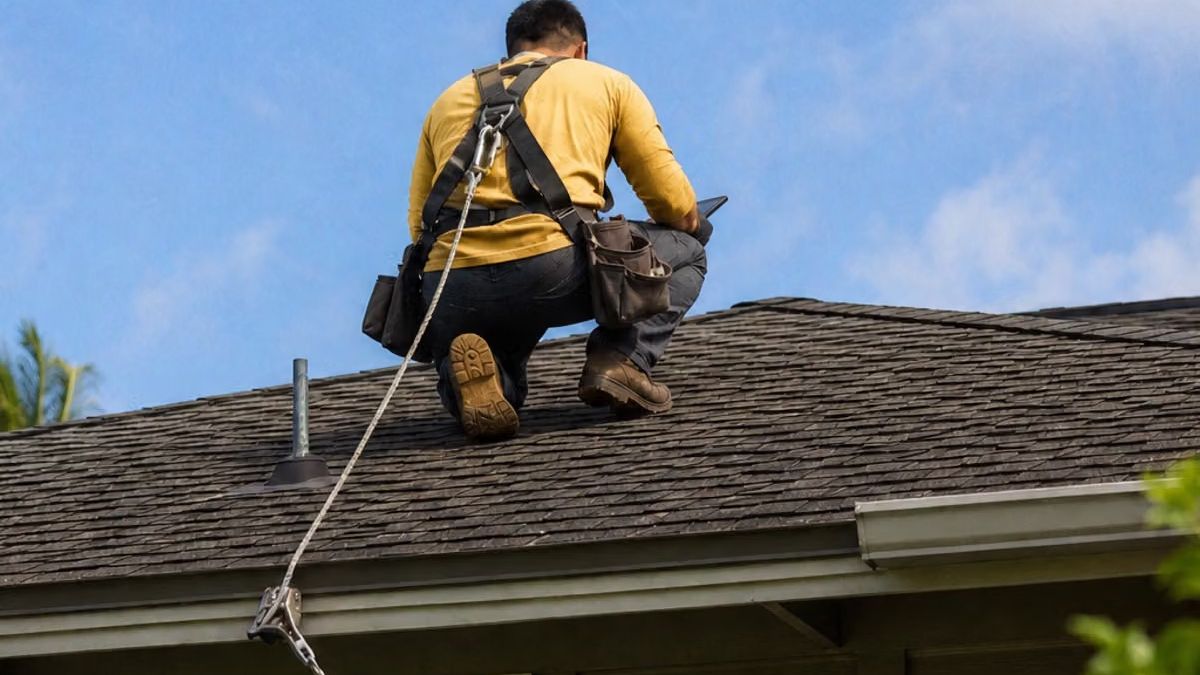
Two Honolulu homeowners can have roofs of similar size and receive very different roofing estimates. One project may involve replacing shingles over sound decking. Another may require removing multiple roofing layers, repairing water-damaged wood, and replacing deteriorated flashing.
The difference is not always the contractor's labor rate or the material selected. Often, it comes down to what the estimate includes and what the roof actually needs.
Roofing projects on Oahu also involve island-specific considerations, including material transportation, site access, weather exposure, and disposal logistics.
At R&C Roofing Contractors, we provide roof inspections and estimates for residential and commercial properties throughout Oahu. We evaluate the existing roof before recommending work so property owners can understand the proposed scope.
This guide explains the main factors affecting Honolulu roofing costs, what should appear in a roofing estimate, and how to compare proposals without focusing on price alone.
Main Factors Affecting Roofing Costs in Honolulu
There is no single reliable price for every roofing project in Honolulu.
A localized repair may involve one flashing connection or a small section of damaged roofing. A replacement project may require removing the existing system and installing new materials across the entire roof.
Even properties with similar roof areas can have different requirements.
Roof Size, Pitch, and Complexity
Roofing contractors commonly measure roof area in squares. One roofing square equals 100 square feet of roof surface.
However, the roof area is not necessarily the same as the building's floor area.
A roof with a steep pitch, multiple slopes, dormers, valleys, or other architectural details can require more material and labor than a simple roof covering a similar footprint.
For example, a 2,000-square-foot single-story house does not automatically have exactly 2,000 square feet of roofing. The actual roof area depends on its design and dimensions.
Accurate measurements matter because material quantities, labor requirements, and waste allowances depend on the roof itself.
Roofing Materials and System Requirements
Material selection influences the project cost, but comparing only the price of the visible roof covering can be misleading.
A complete roofing system may include underlayment, flashing, fasteners, ventilation components, and other materials required for the installation.
Different roofing systems also have different preparation and installation requirements.
For example:
- Asphalt shingles: Costs depend on the selected product, underlayment, flashing, and roof complexity.
- Metal roofing: Panel type, finishes, fasteners, corrosion resistance, and installation details affect the scope.
- Tile roofing: Structural capacity, attachment requirements, underlayment, and tile condition can influence the work.
- Modified bitumen: Low-slope installations require attention to membrane assembly, seams, flashing, and substrate preparation.
- Silicone roof coatings: Restoration costs depend on the condition of the existing roof, required repairs, preparation, and coating specifications.
A lower material price does not necessarily mean a lower total project cost.
The roofing system must be appropriate for the building and its exposure conditions.
For a more detailed comparison of materials, see our roofing materials guide.
Existing Roof Condition
The condition beneath the visible roofing material can have a significant effect on the final scope.
If the decking and underlying components remain serviceable, the project may require less preparation.
If moisture has damaged the decking or other components, additional repairs may be necessary before new roofing can be installed.
Some concealed conditions cannot be confirmed until existing materials are removed.
A good estimate should explain how those discoveries will be handled and how any additional work will be approved.
Tear-Off, Disposal, and Site Access
Removing an existing roof adds labor, handling, and disposal requirements.
Site access also affects the work.
A roof on a single-story home with clear access may be easier to work on than one on a multi-story building with limited staging space.
Commercial properties may have rooftop equipment, occupied areas, or access restrictions that require additional coordination.
On Oahu, transporting roofing materials and disposing of removed materials can also affect project logistics.
These costs should be considered when comparing proposals.
Island-Specific Costs That Influence Roofing Projects
Roofing work in Hawaii involves logistical and environmental considerations that may differ from projects on the mainland.
Material Shipping and Availability
Many roofing products used in Hawaii must be transported from outside the state.
Freight, supplier availability, and delivery arrangements can influence material pricing and project planning.
Specialty products may have different availability requirements from commonly stocked materials.
Before choosing a roofing system, it is worth confirming that the specified products and compatible accessories can be sourced for the project.
Weather Exposure and Material Specifications
Honolulu's climate affects which roofing materials and components are suitable for a property.
Coastal exposure can influence fastener and flashing selection. Wind exposure can affect attachment requirements. Heavy rainfall places importance on drainage and waterproofing details.
These considerations may affect material specifications and installation costs.
Choosing less expensive components without considering their compatibility or exposure requirements can create problems later.
The objective is not to select the most expensive material. It is to select a roofing assembly appropriate for the building.
Permitting and Project Requirements
Depending on the scope, roofing work may require permits or other approvals.
The requirements for a small repair can differ from those for a complete replacement or a project involving structural changes.
Property owners should clarify permitting responsibilities with their contractor and confirm applicable requirements through the City and County of Honolulu Department of Planning and Permitting.
Do not assume that every roofing estimate includes the same permitting or inspection responsibilities.
Comparing Roofing Estimates Beyond the Total Price
A roofing estimate should explain what the contractor intends to do, not simply provide a total amount.
When comparing proposals, look for differences in the scope before deciding which price offers better value.
| Estimate item | What to check | Why it matters |
|---|---|---|
| Roof measurements | Measured roof area and areas included | Confirms what is being priced |
| Existing roof removal | Tear-off, disposal, and preparation | Identifies whether removal costs are included |
| Roofing materials | Product type and proposed assembly | Helps compare the actual systems |
| Underlayment | Materials and installation scope | Clarifies what sits beneath the roof covering |
| Flashing and penetrations | Roof edges, valleys, vents, and wall connections | Identifies important waterproofing details |
| Decking repairs | Included work and treatment of concealed damage | Helps explain possible additional costs |
| Permits | Responsibilities and applicable fees | Reduces uncertainty about project requirements |
| Warranty terms | Written coverage, exclusions, and responsibilities | Clarifies what protection is being offered |
An estimate that leaves out flashing replacement or disposal may appear less expensive than one that includes those items.
That does not automatically mean the lower-priced contractor is offering the same work for less money.
Comparing the Same Scope of Work
Before comparing prices, ask each contractor to clarify what is included.
For example, if one proposal recommends replacing all roof flashing while another plans to reuse existing components, the difference deserves an explanation.
Similarly, a proposal that includes deteriorated decking replacement is not directly comparable to one that assumes the decking is sound.
The most useful comparison is between proposals that address the same roof conditions and clearly describe the work.
Understanding Allowances and Exclusions
An allowance is an estimated amount set aside for work or materials whose final cost may not yet be known.
An exclusion identifies work that is not included in the proposal.
Both can affect the final price.
Ask the contractor to explain any allowances or exclusions and what happens if additional work becomes necessary.
For concealed damage, the agreement should describe how the contractor will notify you, document the condition, and obtain approval before proceeding with additional work.
Reviewing Warranty and Payment Terms
Roofing proposals should also be compared on their contractual terms.
Manufacturer material warranties and contractor workmanship warranties are not necessarily the same.
Review what each warranty covers, its limitations, and any maintenance requirements.
Payment schedules and procedures for approving changes should also be clear before work begins.
A detailed written agreement helps establish expectations for both parties.
Repair Costs Versus Replacement Costs
A roof repair and a full replacement involve very different scopes, so their estimates should not be evaluated as though they are interchangeable.
A localized repair may address damaged flashing, a small membrane section, or isolated storm damage.
Replacement may involve removing the existing roofing system and installing new materials across a larger area.
The important question is whether the proposed work is appropriate for the roof's condition.
A repair may be more economical when damage is limited and the surrounding roof remains serviceable. However, repeated repairs on a deteriorating roof may not address the broader problem.
Likewise, a full replacement may be unnecessary when a targeted repair can resolve an isolated issue.
For a more detailed explanation of that decision, see our article Repair or Replace? Why the First Answer Should Not Be a New Roof.
At R&C Roofing, we inspect the roof before recommending major work. Our goal is to explain what the observed condition supports rather than assume every problem requires replacement.
Getting an Accurate Roofing Estimate in Honolulu
The quality of a roofing estimate depends on the information available about the property and the proposed work.
Before requesting estimates, it helps to provide the contractor with relevant details:
- The approximate age of the existing roof, if known
- Previous repairs or recurring leak locations
- Visible damage following storms
- Any known drainage or moisture problems
- Existing roofing materials
- Access restrictions or property-management requirements
You do not need to diagnose the problem yourself.
A professional inspection can help identify visible conditions and determine which work should be included in the estimate.
Plan Your Roofing Project With a Clear Estimate
Roofing costs in Honolulu depend on the roof's design, existing condition, selected materials, and the work required to complete the project.
The most useful estimate is not necessarily the lowest one. It is the one that clearly explains what needs to be done, what is included, and which conditions could affect the final cost.
If you're planning a roof repair, replacement, or new installation on Oahu, we can help you understand the condition of your roof and the available options.
Contact R&C Roofing Contractors or call (808) 888-2524 to request a free roof inspection and estimate.