Commercial Roofers Near Me in Honolulu: How to Choose the Right Contractor
· R&C Roofing Contractors
A leaking commercial roof can interrupt business operations, damage inventory, and create problems for tenants. Even when there is no visible leak, an aging roof can leave property owners wondering whether another repair is worthwhile or whether it is time to plan for replacement.
If you're searching for commercial roofers near you in Honolulu, the first step is understanding what your building actually needs.
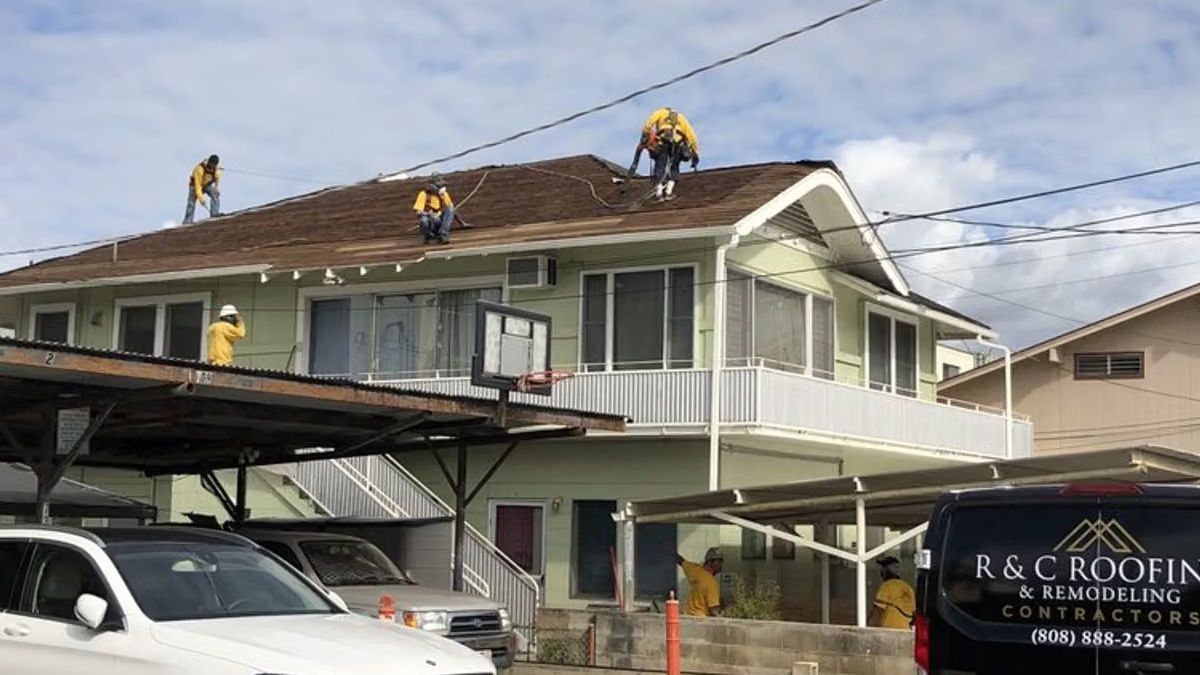
At R&C Roofing Contractors, we inspect commercial roofs throughout Oahu and help property owners make informed decisions about repairs, coatings, and replacement. Our approach is straightforward: we evaluate the roof's condition before recommending major work.
We're a Honolulu-based roofing contractor (License CT-33642), with HAAG Certified roof inspector Robert Pilato and more than 50 years of combined crew experience.
We offer free roof inspections and estimates. If you need a formal written inspection report, we'll explain the additional fee before preparing it.
In this guide, we'll explain what to look for in a commercial roofing contractor, which roofing systems work for different buildings, what affects project costs, and how to compare estimates before committing.
Common Commercial Roofing Problems in Honolulu
Commercial roofs in Hawaii face environmental conditions that can affect materials differently depending on the building's location, roof design, and maintenance history.
A low-slope roof near the ocean may experience different problems from a steep-slope roof farther inland.
Some of the issues we look for during commercial roof inspections include:
- Ponding water: Water that remains on a low-slope roof after rainfall can indicate drainage problems or areas of settlement.
- Membrane deterioration: Cracks, open seams, or damaged roofing materials may allow moisture beneath the roof surface.
- Flashing failures: Roof edges, equipment penetrations, and wall connections are common areas where water can enter.
- Corrosion: Salt exposure can accelerate deterioration of susceptible metal fasteners, flashing, and roofing components.
- Aging roof coatings: Existing coatings may lose adhesion, develop cracks, or show wear that requires closer evaluation.
- Storm-related damage: Strong winds and wind-driven rain can expose weaknesses in roof connections and previously repaired areas.
One important distinction is that a ceiling leak does not always identify the exact location of the roof problem.
Water can travel along decking, insulation, or structural components before appearing inside a building. Repairing only the area directly above a ceiling stain may leave the original entry point unresolved.
That's why we focus on identifying the likely cause rather than recommending another patch based solely on where water appears.
When Does a Commercial Roof Need Repair, Coating, or Replacement?
Not every damaged commercial roof needs to be replaced.
The right recommendation depends on the condition of the existing system, how widespread the damage is, and whether the underlying materials remain suitable for continued use.
Here's a practical comparison.
| Roofing option | When it may make sense | What needs to be checked |
|---|---|---|
| Roof repair | Damage is localized and the surrounding roof remains serviceable | Leak source, flashing, seams, and underlying moisture |
| Silicone roof coating | Existing roof is a suitable candidate for restoration | Substrate condition, adhesion, drainage, and existing damage |
| Partial replacement | Damage is concentrated in a defined section | Compatibility with the remaining system and condition of adjoining areas |
| Full roof replacement | Widespread deterioration or repeated failures make repairs impractical | Decking, insulation, drainage, roofing materials, and project requirements |
When a Repair May Be Enough
A targeted repair may address an isolated flashing failure, damaged seam, or localized leak.
For example, if water enters around a rooftop penetration but the surrounding roof remains in serviceable condition, repairing that connection may be more appropriate than replacing the entire roof.
However, repeated leaks in different areas can indicate a broader problem.
When a Roof Coating Is Worth Considering
Silicone roof coatings are an option for certain commercial and low-slope roofs.
A coating can restore an appropriate existing roof surface without requiring a complete replacement of the roofing assembly.
But a coating should not be treated as a way to conceal underlying damage.
Before recommending one, we evaluate whether the existing roof is a suitable substrate. Wet insulation, deteriorated materials, or significant drainage problems may need to be addressed first.
When Replacement Becomes the Better Option
Replacement may be appropriate when deterioration is widespread, the roof has recurring leaks, or previous repairs are no longer providing a reasonable solution.
We would rather explain why a repair is sufficient than recommend a new roof you don't need.
That inspection-first approach is particularly important for commercial buildings, where replacement can affect budgets and building operations.
Commercial Roofing Systems Used in Hawaii
Choosing a commercial roofing system involves more than comparing materials.
Roof slope, drainage, equipment, coastal exposure, and the condition of the existing roof all influence which system is appropriate.
Silicone Roof Coatings
Silicone coatings are commonly considered for suitable low-slope roofs, including commercial and multi-unit buildings.
They create a protective surface over an existing compatible roof system.
Before a coating project, the roof needs to be evaluated for substrate condition and preparation requirements. A coating is not a substitute for replacing materials that are already compromised.
Silicone coatings are one of the roofing systems we work with most frequently.
Modified Bitumen Roofing
Modified bitumen is a multi-layer roofing membrane system used on low-slope roofs.
Its installation details, seams, flashing connections, and drainage design are important to its performance.
For a building owner comparing modified bitumen proposals, it helps to understand the proposed assembly rather than looking only at the finished surface.
Ask what existing materials will be removed, what substrate preparation is included, and how penetrations and roof edges will be addressed.
Modified bitumen is another of our primary roofing systems.
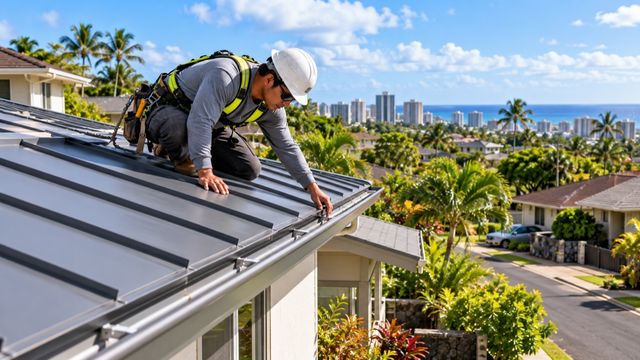
Metal Roofing
Metal roofing can be used on commercial buildings where the roof design and structural requirements support the selected system.
In coastal environments, material selection and corrosion resistance deserve particular attention.
Panel profiles, fasteners, finishes, and flashing details should be appropriate for the building's exposure.
Other Roofing Materials
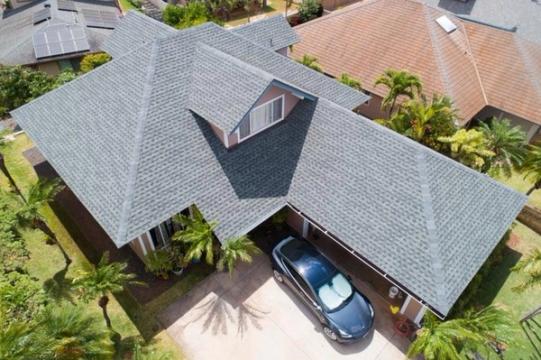
Some commercial and institutional properties have steep-slope roof sections or architectural requirements that call for different materials.
We also work with asphalt shingles and selected tile roofing systems.
The important question isn't which material sounds most durable. It's which system is appropriate for your building and can be installed according to its project requirements.
For more information about our available systems, visit our roofing services overview.
What Does Commercial Roofing Cost in Honolulu?
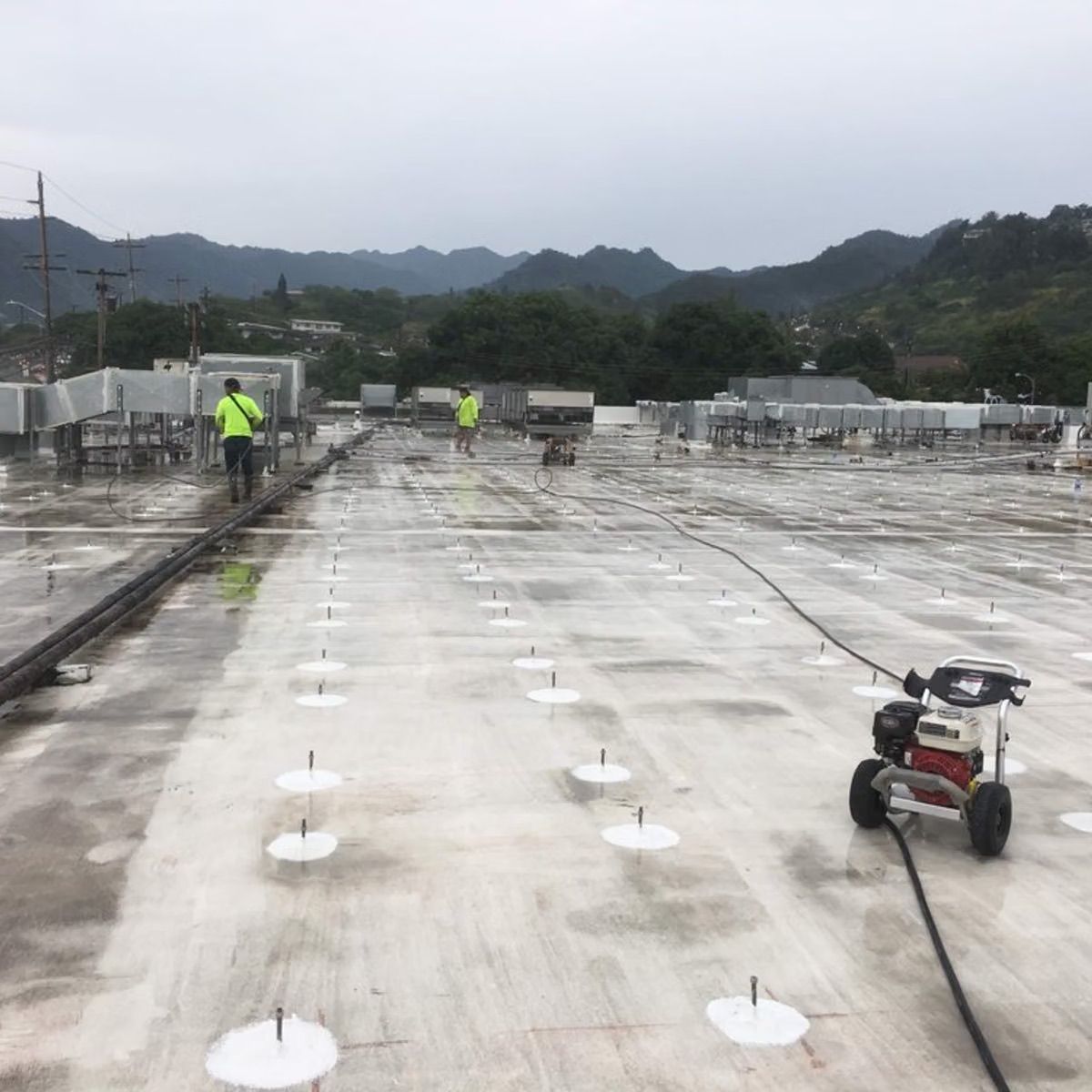
Commercial roofing costs vary substantially from one building to another.
A small repair around a roof penetration is a different project from restoring a large low-slope roof or replacing an entire commercial roofing assembly.
Rather than relying on a generic price per square foot, property owners should understand what determines the scope.
1. Roof Size and Accessibility
Roof area affects material quantities and labor.
Accessibility also matters. A building with restricted loading areas, limited equipment access, or occupied spaces beneath the work may require additional planning.
2. Existing Roof Condition
Two buildings with similar roof areas may need very different work.
One may have a serviceable substrate suitable for restoration. Another may have wet insulation or deteriorated decking that requires removal.
Those conditions may not be apparent from the ground.
3. Roofing System and Materials
A coating, modified bitumen assembly, and metal roof involve different materials and installation requirements.
Comparing their prices without comparing their proposed scopes can be misleading.
4. Tear-Off and Disposal
Removing existing roofing materials adds labor and disposal requirements.
Whether an existing roof can remain in place depends on its condition, the proposed system, and applicable requirements.
5. Building Operations and Project Coordination
Commercial projects may require coordination with tenants, property managers, maintenance teams, or other contractors.
Access restrictions and equipment located on the roof can also influence the work.
How to Compare Commercial Roofing Estimates
Before accepting a proposal, check whether each contractor has included:
- Existing roof preparation and any required removal
- Proposed roofing materials and assembly details
- Flashing, penetrations, and roof-edge work
- Drainage-related repairs or modifications
- Permitting responsibilities, where applicable
- Exclusions and possible additional work
- Written warranty terms and limitations
- Site access and coordination requirements
The lowest estimate is not necessarily the least expensive solution if it excludes work that another contractor has included.
We recommend comparing the actual scope of work before comparing final prices.
How to Choose a Commercial Roofer Near You
Finding a nearby contractor is useful, but location alone should not determine who works on your building.
Commercial roofing requires an understanding of the roof system, building access, and how the work may affect occupants.
Verify the Contractor's Hawaii License
Before hiring a roofing contractor, check their license through the Hawaii Department of Commerce and Consumer Affairs.
Our contractor license is CT-33642, with a C-42 roofing classification.
Confirm that the contractor's license is appropriate for the work being proposed.
Ask About Experience With Your Roof Type
A contractor who primarily installs residential shingles may not regularly work with commercial low-slope roofing systems.
Ask about experience with the specific material being proposed.
If your building has modified bitumen or is being considered for a silicone coating, the contractor should be able to explain why that approach is appropriate.
Request an Inspection Before a Major Recommendation
Be cautious if someone recommends a full replacement without adequately evaluating the existing roof.
A useful inspection should consider the condition of the roofing materials, visible damage, drainage, and potential leak entry points.
Ask the contractor to explain what they found and how those findings support the proposed work.
Review the Proposal Carefully
A commercial roofing proposal should be specific enough that you understand what you are purchasing.
Clarify what is included, what could change the price, and how unexpected conditions will be handled.
Also ask who will coordinate access and communicate with your property management team.
Understand Warranty Terms
Roofing warranties vary by product and contract.
Ask for the applicable terms in writing, including what is covered, what is excluded, and whether maintenance requirements apply.
Avoid assuming that a material warranty automatically covers every installation or leak-related issue.
Why Commercial Roof Inspections Matter
An inspection can help you determine whether an existing roof needs immediate attention or whether maintenance and planning are more appropriate.
This is particularly useful for property managers responsible for multiple buildings.
Rather than treating every roof problem as an isolated emergency, a condition assessment can help identify which issues deserve attention first.
Our roof inspections consider the condition of the existing materials, previous repairs, visible deterioration, and potential damage patterns.
Robert Pilato, our HAAG Certified roof inspector, has specialized training in evaluating roof damage, including distinguishing storm-related damage from ordinary deterioration.
For commercial owners, an inspection may help with:
- Identifying potential causes of recurring leaks
- Understanding whether repair or replacement is more appropriate
- Evaluating roofs before major maintenance expenditures
- Documenting visible storm damage
- Planning work across multiple properties
Our inspections and estimates are free. Formal written inspection reports are available for an additional fee, which we explain beforehand.
Commercial Roofing Services We Provide on Oahu
Our work includes commercial roofing projects for property owners, managers, and multi-unit buildings.
Depending on your property's needs, we provide:
- Commercial roof inspections: Condition assessments to identify visible deterioration, potential leak sources, and repair priorities.
- Commercial roof repair: Targeted repairs where the existing roof remains suitable for continued service.
- Roof replacement and installation: Replacement of roofing assemblies when repair or restoration is no longer practical.
- Silicone roof coatings: Restoration of suitable existing commercial roofing systems.
- Modified bitumen roofing: Roofing systems for appropriate low-slope applications.
- Storm and wind damage assessments: Roof evaluations and contractor-side documentation following weather-related damage.
- Gutter installation and repair: Work to address gutter deterioration and drainage-related needs.
We also work with HOA and AOAO boards on multi-building roof assessments, including discussions about repair priorities and potential project phasing.
For general contractors, we can review roofing scopes from plans and specifications and coordinate roofing-related requirements with other trades.
What to Expect When You Contact R&C Roofing
We start by understanding the concern and evaluating the roof.
For example, if you manage a commercial property with recurring ceiling leaks, we'll want to understand where the leaks appear, when they occur, and whether previous repairs have been performed.
From there, the process generally involves:
- 1.Initial roof inspection: We evaluate accessible roof conditions and identify visible concerns.
- 2.Explanation of findings: We discuss what the condition suggests and whether repair, restoration, or replacement is worth considering.
- 3.Project-specific estimate: If work is recommended, we prepare an estimate based on the proposed scope.
- 4.Planning and coordination: For approved work, we discuss the project's requirements and coordinate the roofing scope.
If storm damage may involve an insurance claim, we can provide photographs, roofing estimates, and contractor-side documentation.
You remain responsible for filing the claim with your insurer. We do not adjust claims, negotiate settlements, determine coverage, or promise claim approval.
When Should You Call a Commercial Roofing Contractor?
Not every roof concern requires an immediate replacement, but some situations warrant prompt professional attention.
Contact a roofing contractor when you notice:
- Active water entering occupied areas
- New leaks following strong winds or heavy rainfall
- Damaged roofing materials or loose flashing
- Repeated leaks despite previous repairs
- Standing water that persists after rainfall
- Visible deterioration around rooftop equipment
- An aging roof that needs evaluation before budgeting for major work
If water is entering near electrical equipment or a ceiling appears unstable, keep people away from the affected area and arrange appropriate professional assistance. Do not send untrained staff onto a wet or damaged roof.
For concerns outside normal business hours, our website offers an after-hours online chat option. This should not be interpreted as a promise of immediate on-site emergency service.
Schedule a Commercial Roof Inspection in Honolulu
If you're comparing commercial roofers in Honolulu, begin with an inspection that helps you understand the actual condition of your roof.
We're based in Honolulu and serve commercial property owners throughout Oahu, including communities such as Kakaako, Pearl City, Kailua, and Kapolei.
Our goal is to explain what your roof needs, whether that means a targeted repair, a suitable restoration system, or planning for replacement.
Contact R&C Roofing Contractors to request a free roof inspection and estimate.
Formal written inspection reports are available for an additional fee disclosed in advance.
R&C Roofing Contractors | Hawaii Contractor License CT-33642