Emergency Roof Repair in Honolulu: What Oahu Homeowners Should Do
· R&C Roofing Contractors
A leaking roof can quickly turn into a larger problem, especially during heavy rain or strong winds. Water entering through damaged shingles, deteriorated flashing, or compromised roofing materials can affect ceilings, insulation, and other parts of your home.
In Honolulu, roof damage is particularly challenging because roofing materials are regularly exposed to intense sunlight, salt air, humidity, and seasonal storms. A small weakness may go unnoticed during dry weather and become apparent when the next period of heavy rain arrives.
At R&C Roofing Contractors, we help Oahu homeowners understand the condition of their roofs before recommending repairs or replacement. Our approach begins with an inspection to identify the damage, determine its likely cause, and recommend work that addresses the problem.
This guide explains when roof damage requires urgent attention, what emergency roof repairs involve, and how to make informed decisions about protecting your home.
Signs Your Roof Needs Emergency Repair
Not every roofing problem requires immediate work. However, certain types of damage should be evaluated promptly because continued exposure to rain or wind can make the situation worse.
Common warning signs include:
- Active water leaks: Water dripping through ceilings, running down walls, or entering around light fixtures may indicate an opening in the roofing system.
- Missing or lifted shingles: Strong winds can loosen or remove shingles, exposing underlying materials to moisture.
- Damaged flashing: Bent, corroded, or separated flashing around vents, skylights, chimneys, and roof transitions can allow water to enter.
- Storm debris damage: Fallen branches or windblown objects may puncture roofing materials or damage the structure beneath them.
- Sagging roof sections: Visible changes in the roofline may indicate damaged decking or structural concerns that need professional evaluation.
- Water spreading through multiple rooms: Widespread interior moisture may suggest a significant roofing or drainage problem.
Some issues are more serious than they initially appear. A small ceiling stain, for example, does not necessarily mean the opening in the roof is directly above it. Water can travel along framing, underlayment, and other surfaces before becoming visible indoors.
The important distinction is between visible damage and its underlying cause. Stopping the immediate water entry is important, but a lasting repair also needs to address the part of the roofing system that failed.
Protecting Your Home During an Active Roof Leak
When water begins entering your home, protecting people and limiting interior damage should come before attempting roof repairs.
Move furniture, electronics, and valuables away from the affected area when it is safe to do so. Use containers to collect dripping water and photograph visible damage for your records.
If water is near electrical fixtures, outlets, or wiring, keep clear of the affected area and contact a qualified electrician or emergency service as appropriate. Do not touch wet electrical equipment.
Avoid climbing onto the roof during rain, high winds, or other unsafe conditions. Wet roofing surfaces can be slippery, and damaged materials may not support weight as expected.
Homeowners sometimes attempt temporary fixes using household sealants or tarps. These measures may not address the actual source of a leak and can create additional safety risks.
For a more detailed breakdown of immediate safety and damage-control measures, read our guide to steps to take during a major roof leak.
Once the immediate situation is under control, the next priority is identifying where water is entering and determining the appropriate repair.
Common Causes of Emergency Roof Damage in Honolulu
Hawaii's climate affects roofing systems in several ways. Understanding the likely causes of damage helps homeowners recognize why a leak developed and what a contractor should inspect.
Wind Damage and Displaced Roofing Materials
Strong winds can lift shingle edges, weaken seals, and displace roofing materials. Once a section becomes loose, wind-driven rain may reach the underlayment or vulnerable roof connections.
Even when shingles remain attached, movement can affect their ability to shed water properly.
Following severe weather, we look for displaced materials, damaged edges, compromised flashing, and other evidence of wind-related deterioration.
UV Exposure and Aging Shingles
Honolulu roofs receive substantial sun exposure throughout the year.
Over time, UV exposure and normal aging can contribute to brittle shingles, surface deterioration, and reduced flexibility. Shingles that have become cracked or damaged may be more vulnerable during periods of heavy rain or wind.
Not all aging roofs need replacement. The extent and location of deterioration matter when determining whether targeted repairs are practical.
Corroded Flashing and Fasteners
Coastal conditions can accelerate corrosion in exposed metal roofing components, depending on the materials and their installation.
Flashing, fasteners, and metal connections are important because they help protect areas where roofing materials meet walls, vents, and other penetrations.
When these components deteriorate, water may enter even if the surrounding roofing surface appears relatively sound.
Drainage Problems on Low-Slope Roofs
Low-slope roofs depend on appropriate drainage and properly maintained roofing membranes.
Blocked drains, deteriorated seams, or damaged membrane sections can contribute to water accumulation and leaks.
For these roofs, identifying the condition of the existing system is essential before choosing between localized repairs, restoration, or replacement.
How Professional Emergency Roof Repairs Work
A professional roof repair should address more than the most visible symptom.
For example, sealing an interior stain does nothing to correct the opening that allowed water into the home. Similarly, applying sealant over a deteriorated roof connection may not be suitable if the surrounding materials have already failed.
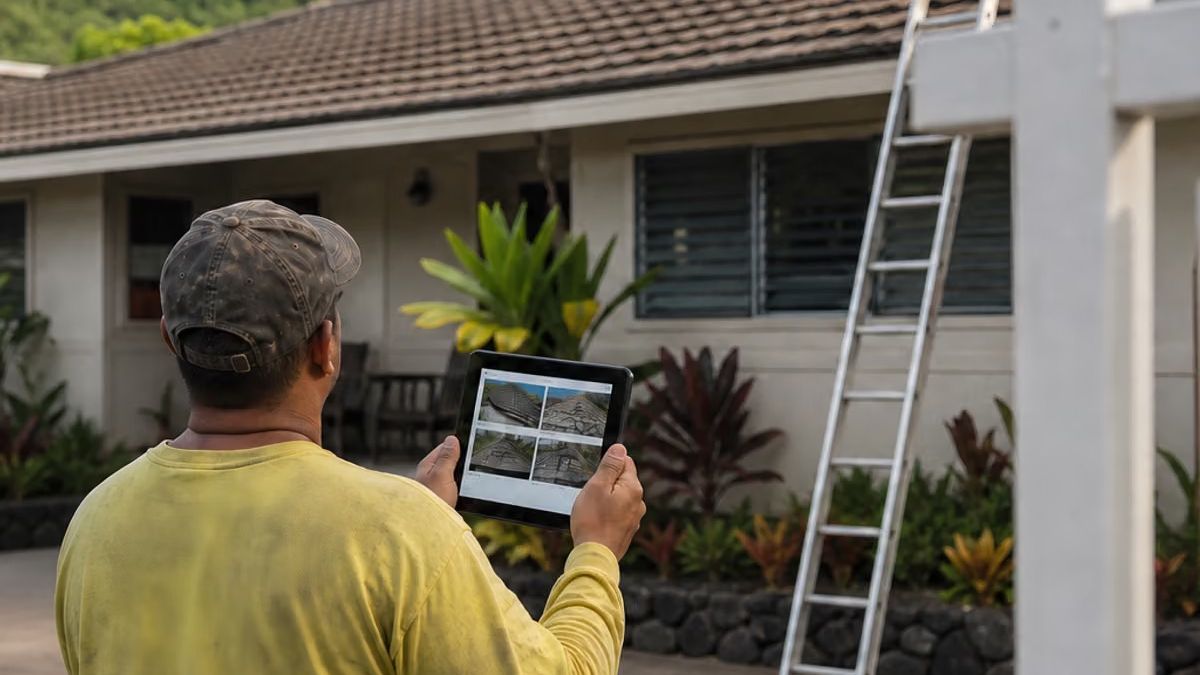
At R&C Roofing Contractors, we begin by evaluating the roof's condition and identifying the areas that need attention.
Roof Inspection and Damage Assessment
The inspection helps determine the extent of damage and whether the surrounding roofing materials remain serviceable.
Depending on the roof and the reported problem, the evaluation may include:
- Shingles, membranes, or other exposed roofing materials
- Flashing around roof penetrations and transitions
- Roof edges and vulnerable connections
- Signs of storm impact or displaced materials
- Drainage areas and visible moisture-related deterioration
- Previous repair locations that may be contributing to recurring leaks
When a homeowner reports a ceiling leak or attic concern, we require the owner to be present for the inspection.
The objective is to understand the condition of the roof rather than assume that every leak requires extensive work.
Developing the Repair Scope
Once the damage has been evaluated, we can recommend repairs based on the affected materials and surrounding roof condition.
Depending on the findings, the work may involve replacing damaged shingles, correcting flashing problems, repairing vulnerable roof penetrations, or addressing localized roofing defects.
Some situations require additional investigation before the full extent of damage can be established.
We provide free roof inspections and estimates. If a formal written inspection report is needed, we quote that service separately before proceeding.
Completing the Recommended Repairs
The repair method depends on the roofing system, the condition of adjacent materials, and the extent of damage.
A localized repair may be appropriate when the surrounding roof remains in good condition. More extensive deterioration may require a broader scope.
Our goal is to recommend work that addresses the identified problem without pushing homeowners toward replacement when a practical repair is available.
Learn more about our roof repair services.
Roof Repair Versus Replacement After Significant Damage
One of the biggest concerns homeowners have after discovering a serious leak is whether the entire roof needs to be replaced.
A roof leak does not automatically mean the roofing system has reached the end of its useful life.
The decision depends on several factors, including the roof's overall condition, the extent of deterioration, the availability of compatible materials, and whether a repair can reliably address the damaged area.
Roof repair may be appropriate when:
- Damage is limited to a relatively small area.
- Surrounding roofing materials remain serviceable.
- The leak is associated with a specific flashing or penetration defect.
- The underlying roofing components are sufficiently sound.
- A targeted repair can address the identified problem.
Roof replacement may be more appropriate when:
- Deterioration is widespread.
- Multiple areas are leaking.
- Roof decking or other underlying components are significantly compromised.
- Previous repairs have repeatedly failed.
- The existing roofing system can no longer support a practical repair.
At R&C Roofing, we believe homeowners should understand the condition of their roof before committing to a major investment.
We would rather recommend a reasonable repair than sell a replacement that is not necessary.
For additional guidance, see our article on choosing between roof repair and replacement.
Emergency Roof Repair Costs in Honolulu
Emergency roof repair costs vary because the work required can differ significantly from one property to another.
A damaged pipe flashing, for example, involves a different repair scope than widespread wind damage affecting multiple roof sections.
Several factors influence the estimate.
Extent and Location of Damage
Localized damage is generally different in scope from repairs involving multiple roof areas or compromised underlying materials.
Access also matters. Steep roof sections, complex rooflines, and difficult-to-reach areas can affect how work is performed.
Roofing Materials and Existing Conditions
Asphalt shingles, modified bitumen, metal roofing, and other systems require different repair methods and materials.
The condition of the existing roof can also affect the work needed to make an appropriate repair.
Hidden Damage
Visible roof damage does not always reveal the full condition of the materials underneath.
If an inspection identifies deterioration involving decking or other components, the recommended scope may need to account for those conditions.
Rather than offering a generic price that may not reflect your roof, we recommend having the affected area inspected and obtaining an estimate based on the actual findings.
R&C Roofing provides free inspections and estimates for homeowners on Oahu.
Storm Damage Documentation and Insurance Claims
Roof damage caused by wind, falling debris, or other storm-related events may raise questions about homeowners insurance.
Coverage depends on the policy, the cause of damage, and the insurer's assessment. Normal wear, maintenance issues, and sudden storm damage are not necessarily treated the same way.
Documenting the roof's condition can help homeowners communicate with their insurance company.
At R&C Roofing, our contractor-side support can include:
- Inspecting and photographing roofing damage
- Identifying visible damage patterns and affected areas
- Preparing a repair scope and contractor estimate
- Providing estimates using Xactimate software
- Answering technical roofing questions from an adjuster when requested
Homeowners remain responsible for filing their claims directly with their insurance carriers. We do not act as public adjusters, negotiate settlements, determine policy coverage, or promise claim approval.
If your roof was affected by severe weather, our storm and wind damage inspection service can help establish the roofing conditions that need attention.
Choosing a Roofing Contractor After Storm Damage
A roofing problem can create pressure to make a quick decision, particularly when rain is entering the home.
Even in urgent circumstances, homeowners should understand who is inspecting their roof and what work is being proposed.
Look for a contractor who can explain the observed damage, identify the likely cause, and distinguish necessary repairs from optional improvements.
A written estimate should make the proposed scope understandable. If replacement is recommended, ask why repairing the damaged area would not be sufficient.
It is also worth verifying the contractor's Hawaii license and understanding how additional damage discovered during the project would be handled.
R&C Roofing Contractors holds Hawaii contractor license CT-33642, including the C-42 roofing classification. Our team has more than 50 years of combined roofing experience, and Robert Pilato holds HAAG roof inspection certification #201408313.
These qualifications support our inspection-first approach, but the recommendation for your roof still depends on its actual condition.
Preventing Future Roof Emergencies
Not every roof leak can be prevented, particularly when severe weather causes sudden damage. However, regular inspections and maintenance can help identify developing problems before they become more disruptive.
For Honolulu homeowners, useful preventive measures include checking for displaced roofing materials after storms, keeping drainage systems clear, and having deteriorating flashing or roof penetrations evaluated.
A roof inspection can also help distinguish ordinary aging from damage that needs repair.
We offer annual maintenance inspections that review roofing materials, flashing, drainage, and other areas affected by Oahu's climate.
The purpose is not to replace roofing materials prematurely. It is to identify concerns early enough to make informed maintenance and repair decisions.
Schedule a Roof Inspection With R&C Roofing Contractors
If your roof is leaking, has visible storm damage, or shows signs of deterioration, the next step is understanding the extent of the problem.
At R&C Roofing Contractors, we serve homeowners throughout Oahu, including Honolulu, Kailua, Kaneohe, Mililani, Kapolei, and surrounding communities.
We begin with an inspection, explain what we find, and recommend repair or replacement based on the condition of the roof.
Contact R&C Roofing Contractors for a free roof inspection and estimate.
Call (808) 888-2524 or request an inspection through our website.
Our regular office hours are Monday through Friday, 8:00 a.m. to 4:30 p.m. After-hours concerns can be submitted through our website's online chat. Emergency dispatch or same-day repair availability should be confirmed directly with our team.