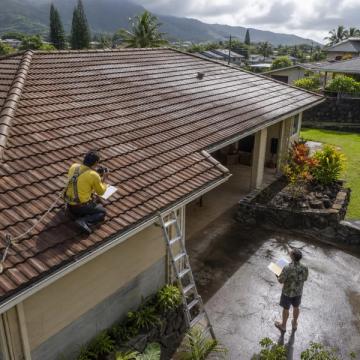
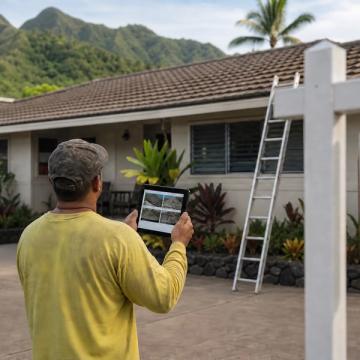
Choosing a Roofing Contractor for Roof Inspection in Honolulu
· R&C Roofing Contractors
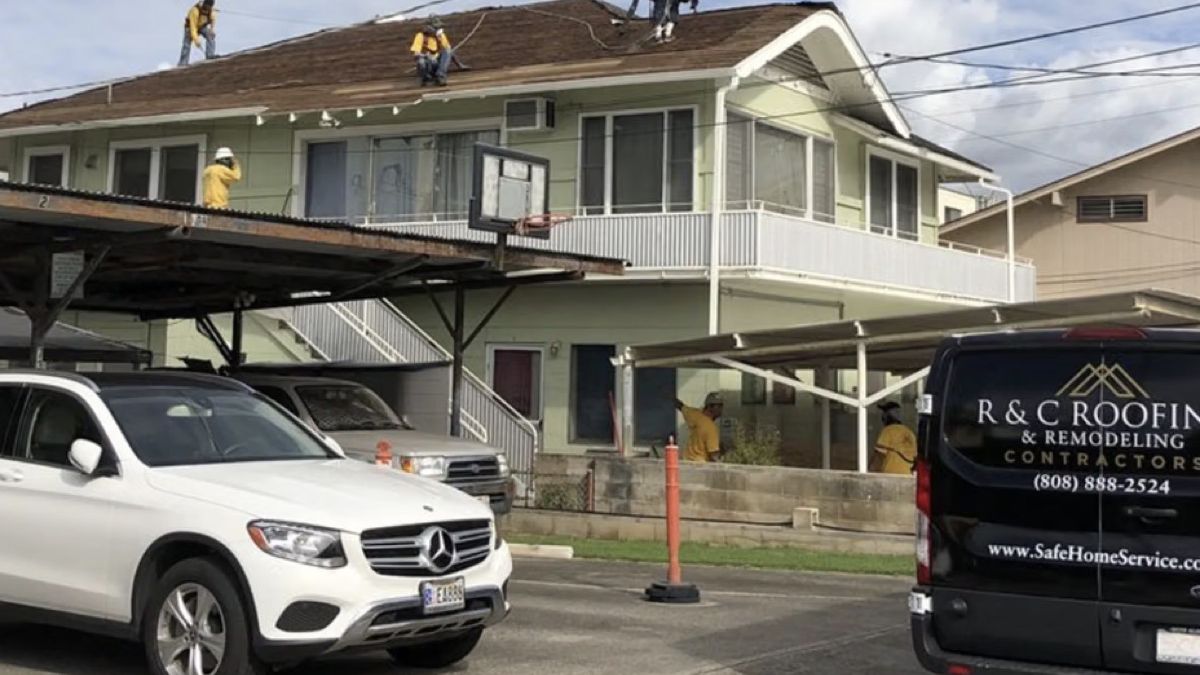
A roof inspection should give you a clear understanding of your roof's condition, not leave you wondering whether you need an expensive replacement.
Whether you've noticed a ceiling stain, recently experienced strong winds, or are preparing to buy a home, choosing the right roofing contractor matters. The inspection should identify visible damage, explain potential problems, and help you understand whether maintenance, repairs, or replacement are necessary.
In Honolulu, roof inspections are particularly important because roofing materials face year-round exposure to intense sunlight, salt air, humidity, and seasonal storms. These conditions can affect shingles, flashing, fasteners, and other components long before serious damage becomes obvious from the ground.
At R&C Roofing Contractors, we believe homeowners should understand the condition of their roof before committing to roofing work. Our inspection-first approach helps us recommend repairs when appropriate and replacement when the roof's condition warrants it.
This guide explains what to expect from a professional roof inspection, how inspection costs work, and how to choose a qualified contractor on Oahu.
The Importance of a Professional Roof Inspection
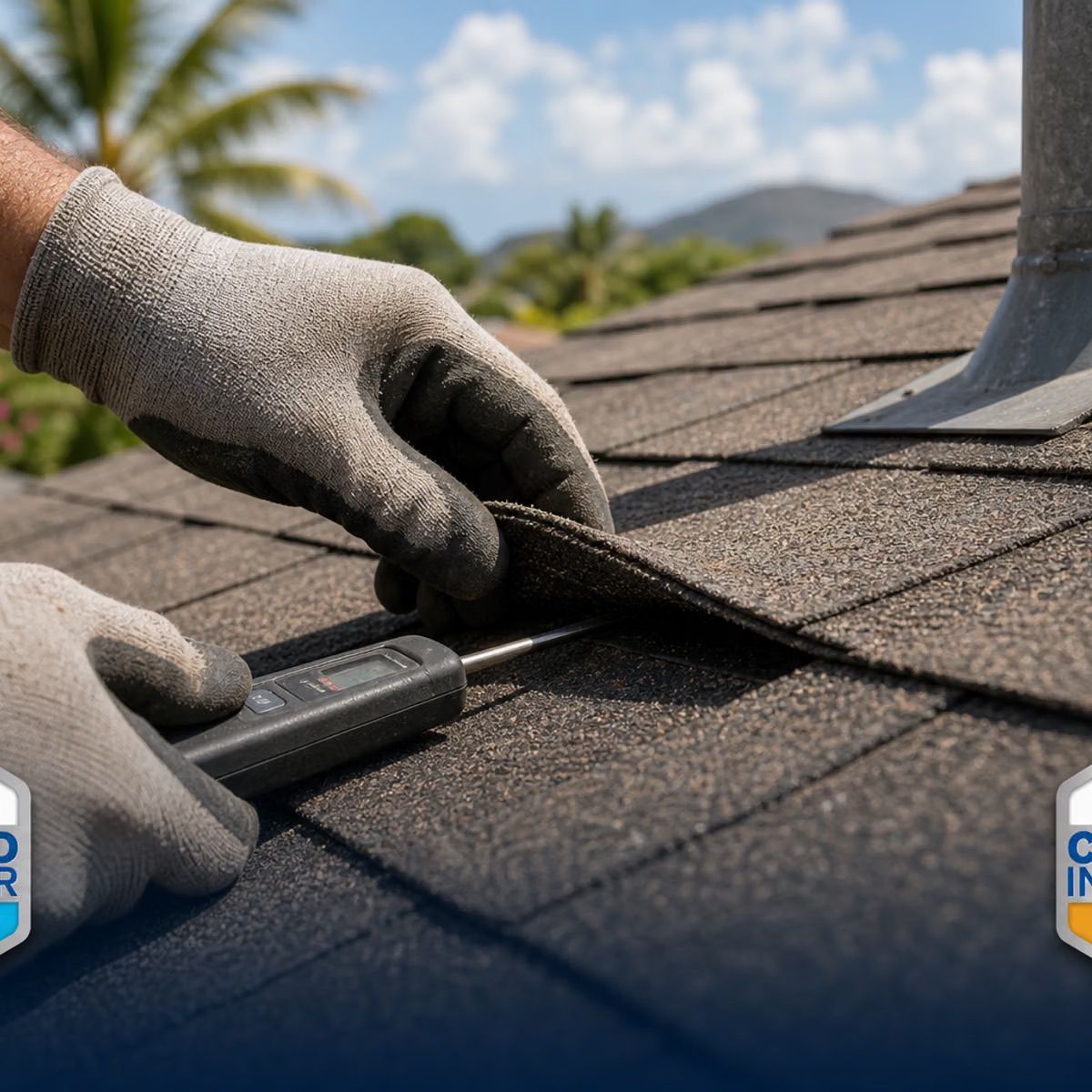
A roof can look relatively sound from the driveway while having problems that are difficult to identify without a closer evaluation.
Loose flashing, deteriorating seals, damaged shingles, and drainage problems may not produce an immediate interior leak. However, these conditions can allow water intrusion during heavy rainfall or strong winds.
A professional inspection helps identify these concerns and determine their significance.
For homeowners, the value of an inspection comes down to three things:
- Understanding the roof's condition: Identifying damaged, aging, or vulnerable materials.
- Making informed repair decisions: Distinguishing isolated defects from widespread deterioration.
- Planning future maintenance: Addressing developing problems before they become more disruptive.
An inspection is also useful when purchasing property, evaluating storm damage, or deciding whether an older roof needs replacement.
The goal is not simply to find problems. It is to determine which conditions actually require attention.
What a Thorough Roof Inspection Covers
A useful roof inspection evaluates the roofing system as a whole rather than focusing only on one damaged shingle or visible stain.
The specific scope depends on the roofing materials, property layout, accessibility, and concerns reported by the homeowner.
Roofing Materials and Surface Conditions
The roof surface is one of the first areas evaluated.
On asphalt shingle roofs, an inspector looks for missing, lifted, cracked, or deteriorating shingles. Excessive granule loss and damaged edges may also indicate areas that need attention.
For low-slope roofing systems, the evaluation may focus on membrane conditions, seams, penetrations, and signs of deterioration.
The objective is to understand whether damage is isolated or affects larger sections of the roofing system.
Flashing, Roof Penetrations, and Connections
Flashing helps prevent water intrusion where roofing materials meet walls, vents, pipes, and other roof features.
These locations deserve particular attention because water can enter through relatively small gaps or deteriorated connections.
Inspectors look for corrosion, separation, loose materials, damaged sealants, and signs of previous unsuccessful repairs.
Gutters and Roof Drainage
Proper drainage helps move rainwater away from vulnerable roof areas.
An inspection may identify blocked gutters, damaged drainage components, debris accumulation, or conditions that allow water to collect where it should not.
This is especially relevant during periods of intense rainfall on Oahu.
Attic and Interior Moisture Indicators
When an attic inspection is relevant and access is available, the evaluation may include visible moisture staining, signs of water intrusion, and conditions affecting the underside of the roof.
Interior ceiling stains can also help identify areas requiring closer investigation.
However, the location of an interior stain does not always correspond directly to the exterior opening. Water may travel along framing or other building components before becoming visible.
At R&C Roofing, we require the homeowner to be present when the concern involves a ceiling leak or attic condition.
Roof Inspection Costs in Honolulu
Inspection costs depend on the type of assessment and the documentation required.
Some contractors charge for an inspection itself. Others include a roof evaluation as part of their estimating process.
A more useful comparison is what the inspection includes and what you will receive afterward.
Free Roof Inspections and Estimates
At R&C Roofing Contractors, roof inspections and estimates are free.
We evaluate the roofing conditions, explain our findings, and provide an estimate when roofing work is recommended.
A free inspection does not mean you are required to approve repairs or replacement.
Our goal is to help you understand your options so you can decide how to proceed.
Written Roof Inspection Reports
A formal written report is different from a standard inspection and estimate.
Written reports may be useful for:
- Home purchases or sales
- Insurance claim documentation
- Property records
- Reviewing specific roof conditions before major work
At R&C Roofing, written inspection reports carry a separate fee. We explain the cost before preparing the report.
If you need formal documentation, tell the contractor before scheduling so you understand the deliverables and any additional charges.
Comparing Inspection Offers
Rather than choosing a contractor based only on whether an inspection is free, clarify what will be evaluated, whether photographs will be taken, and whether a written report is included.
An inspection offer should be clear about the service being provided and any costs associated with additional documentation.
Choosing a Qualified Roofing Contractor in Hawaii
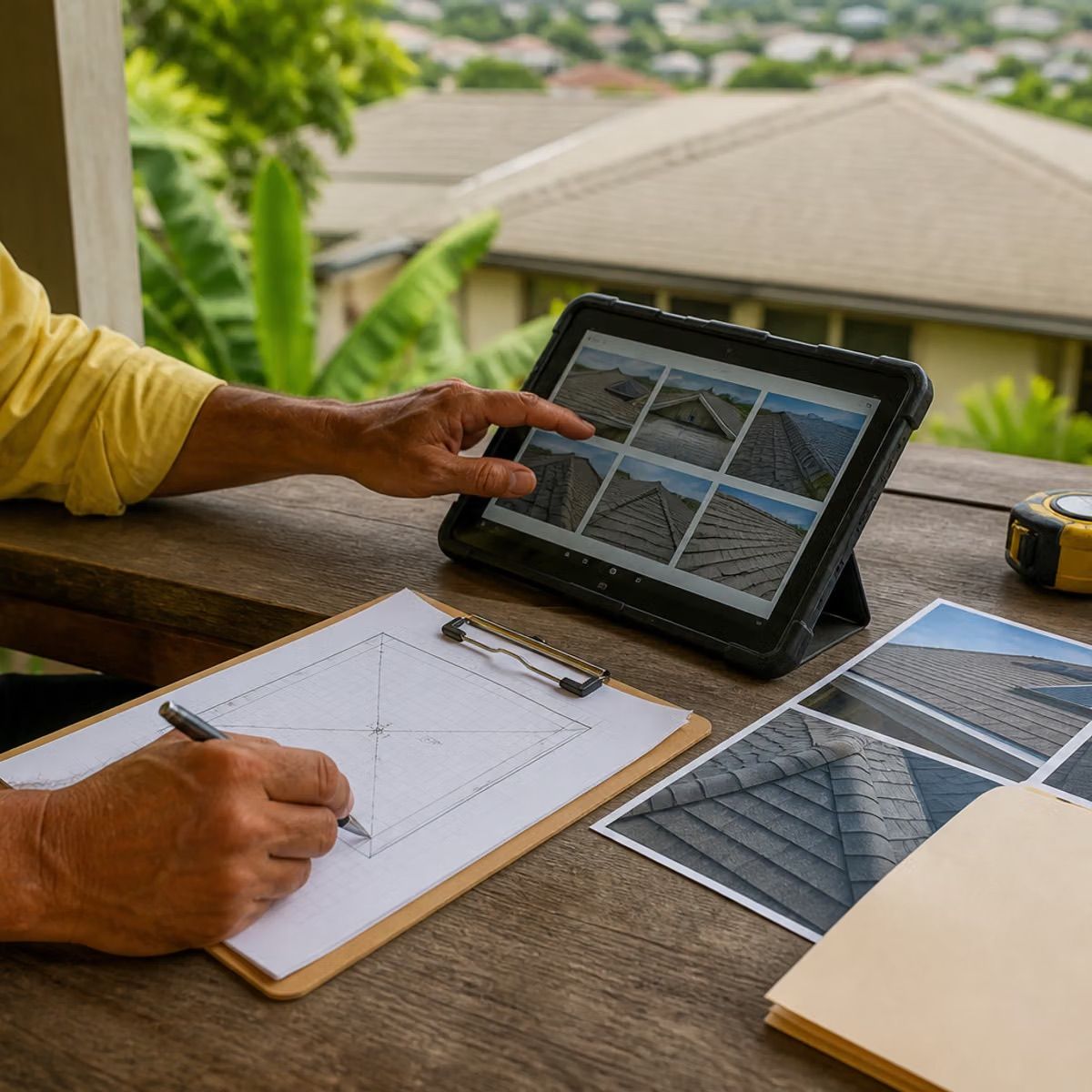
Roof inspections can influence significant financial decisions. A recommendation to replace an entire roof, for example, should be supported by findings that explain why repairs are insufficient.
Before scheduling, take time to verify the contractor's qualifications.
Hawaii Contractor Licensing
Hawaii roofing contractors are regulated through the Department of Commerce and Consumer Affairs (DCCA).
You can check a contractor's licensing information using the Hawaii Professional and Vocational Licensing search.
Review the business name, license status, and applicable classifications.
R&C Roofing Contractors operates under Hawaii contractor license CT-33642, including the C-42 roofing classification.
Licensing is an important starting point, but it should be considered alongside the contractor's experience, inspection practices, and ability to explain the findings.
Relevant Roofing Inspection Experience
Roofing experience matters because different materials can show damage in different ways.
For example, wind damage to asphalt shingles may appear as lifted or creased sections, while low-slope roofing systems may develop problems around seams or drainage areas.
Our team brings more than 50 years of combined roofing experience to residential and commercial roofing work on Oahu.
That experience helps us evaluate the condition of the roofing system and identify practical options.
HAAG Certified Roof Inspection Expertise
Specialized inspection training can be valuable when evaluating storm damage and distinguishing it from ordinary deterioration.
Robert Pilato of R&C Roofing holds HAAG roof inspection certification #201408313.
HAAG training focuses on assessing roof damage and recognizing patterns associated with weather exposure, impact, installation conditions, and material deterioration.
This is particularly useful when homeowners need to understand whether visible roof damage appears consistent with a recent storm or gradual wear.
You can learn more about our HAAG Certified roof inspection service.
Warning Signs of an Unreliable Roof Inspection Offer
A free inspection can be a legitimate service, but homeowners should still be cautious about how contractors present their findings.
Certain practices deserve closer scrutiny:
- Pressure to sign immediately: A contractor insists you approve major work before explaining the inspection results.
- Unclear damage claims: Extensive repairs are recommended without identifying the affected areas or explaining the findings.
- Unverifiable credentials: The contractor cannot provide a license number or matching business information.
- Vague estimates: The proposed work lacks enough detail to understand what is being repaired or replaced.
- Confusing insurance promises: A contractor guarantees claim approval or claims to control the insurer's coverage decision.
A reliable contractor should be willing to explain the condition of the roof, discuss reasonable options, and clarify the proposed scope.
For major roofing projects, comparing estimates and obtaining another professional opinion can help homeowners make a more informed decision.
The Best Times to Schedule a Roof Inspection on Oahu
Roof inspections are useful throughout the year, but certain situations make them especially valuable.
Before Hurricane Season
The Central Pacific hurricane season runs from June 1 through November 30.
A pre-season inspection provides an opportunity to identify loose roofing materials, vulnerable flashing, drainage issues, and other conditions worth addressing before severe weather.
Our annual roof maintenance inspections help homeowners monitor roof condition and plan necessary maintenance.
After Strong Winds or Heavy Rain
Storms can affect roofing materials without causing obvious damage visible from the ground.
Lifted shingles, damaged flashing, displaced components, and debris impacts may require closer evaluation.
A professional inspection helps document visible conditions and determine whether repairs are necessary.
Before Buying or Selling a Home
A roof's condition can influence repair budgets and property negotiations.
For buyers, an inspection can identify visible roofing concerns before closing. For sellers, it can help clarify conditions that may arise during the sale process.
Our pre-purchase roof inspections provide roofing-specific information to support these decisions.
When Leaks or Aging Materials Become Noticeable
New ceiling stains, recurring leaks, loose shingles, and visible deterioration are all reasons to schedule an inspection.
Roof age can provide useful context, but age alone does not determine whether replacement is necessary.
The condition of the materials and the extent of damage should guide the recommendation.
Understanding Your Roof Inspection Findings
An inspection should leave you with a clearer understanding of the roof's current condition and the work, if any, that deserves attention.
At R&C Roofing, we explain the findings and recommend an appropriate next step based on what we observe.
Depending on the inspection, the recommendation may involve maintenance, localized repairs, additional evaluation, or roof replacement.
Maintenance and Minor Repairs
Some findings involve relatively limited problems, such as deteriorated flashing or damage confined to a small area.
When surrounding materials remain serviceable, targeted repairs may be the practical option.
Extensive Damage and Roof Replacement
Replacement becomes more relevant when deterioration is widespread, underlying materials are compromised, or repeated repairs are no longer practical.
A contractor should explain why the existing roof cannot be adequately addressed through localized work.
Storm Damage and Insurance Documentation
If the inspection identifies possible storm-related damage, photographs and contractor documentation may help you communicate with your insurance company.
We can provide contractor-side roofing information and repair estimates, including estimates prepared using Xactimate.
Homeowners file claims directly with their insurers. We do not determine coverage, negotiate settlements, or guarantee claim outcomes.
Preparing for Your Roof Inspection
A little preparation can help the contractor focus on the areas that concern you most.
Before the appointment:
- 1.Note any ceiling stains, leaks, or visible roof damage.
- 2.Gather information about previous repairs or known roofing problems.
- 3.Photograph damage you can safely observe from the ground.
- 4.Explain whether you need an inspection estimate or a formal written report.
- 5.Arrange access to relevant interior areas if attic or ceiling conditions need evaluation.
Avoid climbing onto the roof yourself, especially when materials are wet or storm-damaged.
If you are concerned about a specific leak, let us know when scheduling so we can discuss the inspection requirements.
Schedule a Free Roof Inspection With R&C Roofing Contractors
Choosing a roofing contractor for a roof inspection in Honolulu should come down to qualifications, clear communication, and recommendations supported by the roof's actual condition.
At R&C Roofing Contractors, we serve homeowners throughout Oahu. Whether your concern involves storm damage, an aging roof, a recurring leak, or an upcoming property transaction, we can help you understand the condition of your roofing system.
We provide free roof inspections and estimates, with written reports available for a separately quoted fee.
Call (808) 888-2524 or contact R&C Roofing Contractors to schedule an inspection.
Start with the condition of your roof. Then decide what work, if any, makes sense.