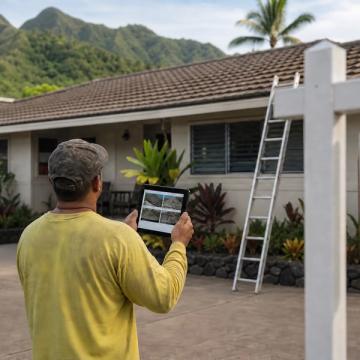
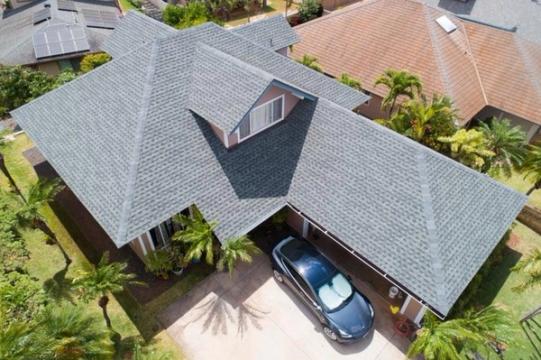
Emergency Roof Repair in Honolulu: What to Do When Your Roof Starts Leaking
· R&C Roofing Contractors
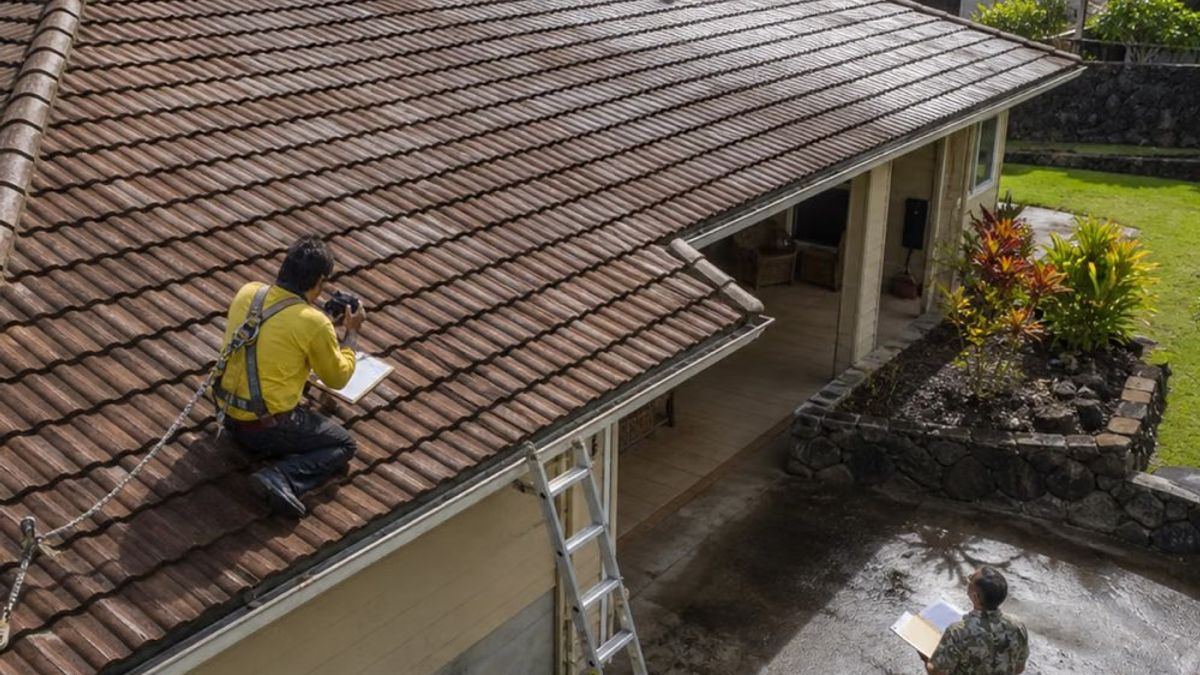
Water dripping through your ceiling during a heavy Honolulu rainstorm can quickly turn into a stressful situation. You may be worried about electrical hazards, damaged furniture, or whether the roof itself is safe.
The first priority is protecting everyone inside. Move away from affected areas, contain water where it's safe, document the damage, and arrange for a professional roof assessment.
At R&C Roofing Contractors, we help homeowners across Oahu understand roof damage and determine whether a repair or replacement is appropriate. If you're dealing with an active leak, here's how to respond safely and what to expect next.
Warning Signs of a Roofing Emergency
Some roof problems need prompt professional attention because they create an immediate safety risk or allow significant water into the home.
Watch for these warning signs:
- Active water intrusion: Water is dripping or pouring through the ceiling, particularly near electrical fixtures.
- Sagging or bulging ceilings: Water may be accumulating above the ceiling, creating a risk of collapse.
- Missing roofing materials: Strong winds have lifted or removed shingles, tiles, or metal panels.
- Fallen branches or debris: A tree limb or other object has struck the roof and may have damaged its structure.
- Exposed electrical components: Water is entering near outlets, light fixtures, or electrical equipment.
- Visible structural movement: Sections of the roof or ceiling appear unstable.
Not every roof leak is an immediate emergency. A small stain with no active dripping may allow time to arrange an inspection, but it still deserves attention. Moisture can travel through insulation, decking, and ceiling materials before the full extent of damage becomes visible.
Hawaii's heavy rain, trade winds, and seasonal storms make it important to investigate leaks rather than waiting for them to become more severe.
Immediate Steps to Take During an Active Roof Leak
1. Move everyone away from the affected area
Keep people and pets clear of sagging ceilings, falling debris, and standing water. If the structure appears unstable, leave the affected area and contact emergency services when appropriate.
2. Avoid electrical hazards
Do not touch wet outlets, fixtures, switches, or appliances. If the electrical panel is safely accessible from a dry location, power to the affected area may be shut off. Otherwise, contact a qualified electrician or utility provider.
3. Contain water from a safe location
Place buckets or waterproof containers beneath drips, move furniture and electronics away, and use towels or protective coverings to limit interior damage. Never stand beneath a bulging ceiling or attempt to puncture it yourself.
4. Photograph the damage
Record ceiling stains, active dripping, damaged belongings, and any visible roof damage that can be photographed safely from the ground. Keep records of when you noticed the problem.
5. Contact a roofing contractor
Explain where water is entering, when the leak started, and whether wind or debris damaged the roof. Photos can help communicate the problem before an on-site assessment.
The most important safety rule is simple: stay off the roof during a storm or active leak. Wet roofing materials, wind, and hidden structural damage make climbing onto the roof especially dangerous.
You can review OSHA's fall prevention guidance for additional safety information.
Temporary Roof Protection and DIY Repair Risks
When water is entering your home, it's natural to want to stop it immediately. However, climbing onto the roof to apply sealant, replace shingles, or install a tarp can create more serious hazards.
Temporary roofing measures may include protective coverings or localized weatherproofing, depending on the damage and site conditions. These are not substitutes for identifying and correcting the underlying problem.
Improper temporary work can also cause additional damage. A poorly secured tarp may lift in strong winds, while unsuitable sealants can interfere with later repairs or fail to address the actual leak path.
We recommend focusing on safe interior water containment and leaving roof-level work to qualified professionals.
Professional Roof Leak Assessment and Repair
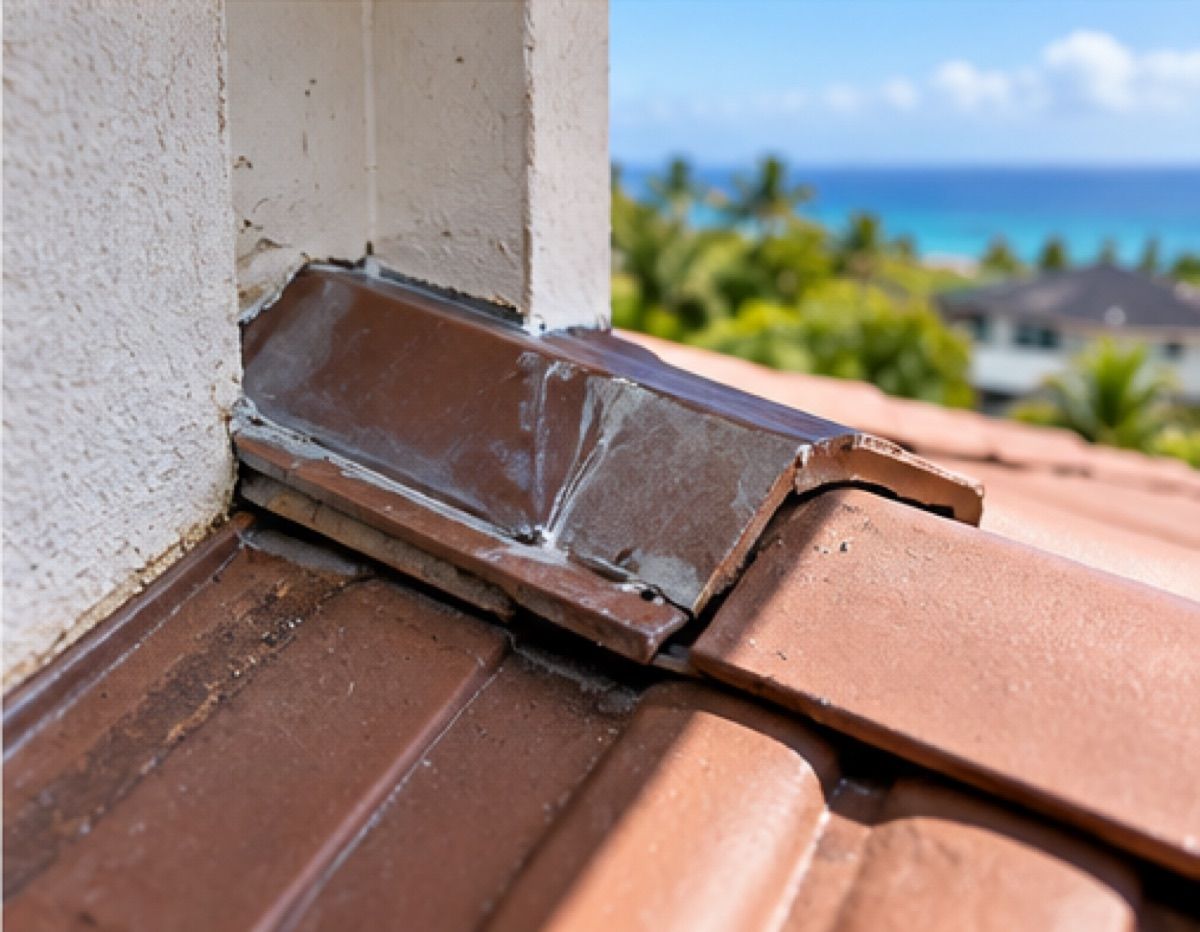
A professional roof assessment should identify both the visible damage and the likely path water is taking into the building.
Water does not always enter directly above the ceiling stain. It can travel along framing, underlayment, or other components before appearing indoors.
During a roofing assessment, we may evaluate:
- Missing, cracked, or displaced roofing materials
- Damaged flashing around vents, walls, and penetrations
- Roof valleys and drainage areas
- Deteriorated sealants and exposed fasteners
- Visible signs of moisture-related decking damage
- Conditions that may require additional investigation
Once we understand the damage, we can explain the recommended repair scope and whether additional work is necessary.
For details about our roofing services, visit our roof replacement and new installation page when damage extends beyond what a repair can reasonably address.
Important: R&C Roofing offers after-hours online chat as a contact option. On-site emergency dispatch, temporary tarping, and specific response times must be confirmed rather than assumed.
Roof Repair Versus Replacement After Storm Damage
An active leak does not automatically mean the entire roof needs replacement.
A repair may be appropriate when damage is limited to a particular area, such as deteriorated flashing, an isolated roof penetration, or a small section of damaged roofing materials.
Replacement becomes more relevant when deterioration is widespread, multiple areas are failing, or the existing roof cannot reasonably support a lasting repair.
At R&C Roofing, our approach is to inspect first and recommend the work the roof actually needs.
For homeowners comparing these options, our article on repairing or replacing a roof provides a more detailed explanation.
Emergency Roof Repair Costs in Honolulu
The cost of addressing a roof leak depends on the extent of damage and the work needed to correct it.
A small flashing repair is a different project from replacing storm-damaged roofing materials or repairing deteriorated decking.
Other factors include roof pitch, access, material type, the location of the leak, and the amount of preparation required.
We don't recommend relying on a generic emergency repair price because the same visible ceiling stain can have several different causes.
Our initial roof inspections and estimates are free. If a formal written inspection report is needed, we quote that fee separately in advance.
Insurance Documentation for Storm-Related Roof Damage
Some roof damage may be covered by homeowners insurance, depending on the cause of loss and the terms of your policy.
Sudden wind or impact damage may be treated differently from gradual deterioration or maintenance-related problems. Your insurer determines coverage, applicable deductibles, and claim payments.
If you believe the damage may be insured:
- 1.Photograph the affected areas when safe.
- 2.Notify your insurance company promptly.
- 3.Keep records of damage-related expenses and protective measures.
- 4.Request a contractor's assessment of the roof.
- 5.Retain copies of estimates and repair documentation.
We can provide contractor-side damage documentation and estimates, including Xactimate estimates when appropriate. We do not act as public adjusters, negotiate insurance settlements, or guarantee claim approval.
For additional information, consult the Hawaii Insurance Division.
Preventing Roof Leaks During Hawaii's Rainy Weather
Although not every storm-related problem can be prevented, regular roof attention can help identify developing issues.
Before periods of heavy rain, homeowners should look for visible roofing damage from the ground, keep accessible drainage areas clear, and arrange professional attention for recurring leaks or deteriorated components.
Pay particular attention to previous repair areas, flashing, roof penetrations, and gutters. Problems in these locations can allow water into the building even when most of the roof appears intact.
The EPA recommends drying water-damaged materials within 24 to 48 hours when possible to help reduce mold growth. Significant water damage may require help from an appropriate restoration professional in addition to roofing repairs.
Other Roofing Services We Offer Across Oahu
In addition to evaluating and repairing active roof leaks, we provide related services for residential and commercial properties:
- Roof inspections: Assessments of visible roofing conditions, leaks, and potential problem areas.
- Roof repair: Targeted work on repairable damage involving roofing materials, flashing, and other roof components.
- Roof replacement and new installation: Installation of new roofing systems when repair is no longer the appropriate solution.
- Roof maintenance: Work to address developing roofing problems and support existing roof systems.
- Gutter installation and repair: Installation, repair, and replacement of gutter systems.
- Storm damage assessments: Evaluations of wind, rain, and impact-related roofing damage.
- Insurance claim roofing documentation: Contractor-side photographs, repair scopes, and estimates to support the homeowner's documentation.
We serve homeowners and other property owners throughout Oahu, with recommendations based on the condition and needs of each roof.
Frequently Asked Questions About Emergency Roof Repair
1. Can a roofing contractor repair my roof while it's raining?
Some work may be possible in light rain, but wet surfaces, wind, lightning, and other conditions can make roof access unsafe. The contractor must evaluate conditions before determining what work can be performed safely.
2. How quickly can R&C Roofing respond to an emergency roof leak?
Response availability depends on scheduling, weather, and site conditions. You can contact us at (808) 888-2524 or use our online chat after hours to describe the situation. We do not promise a specific emergency arrival time.
3. Does a ceiling stain always mean the roof is leaking?
No. Ceiling stains can result from roof leaks, plumbing problems, condensation, or other moisture sources. An assessment helps determine whether the roofing system is responsible.
4. Should I contact my insurance company before arranging roof repairs?
If you suspect an insured loss, notify your insurer promptly and follow its instructions. Do not delay necessary safety measures while waiting for a claim decision. Keep photographs and receipts for your records.
5. Can I use roof sealant to stop an emergency leak?
Sealant may be suitable for certain localized repairs, but it is not a universal solution. Applying it to the wrong location can conceal the problem without stopping water intrusion. A professional assessment helps identify the correct repair.
6. Will my roof need to be replaced after a severe storm?
Not necessarily. The decision depends on the extent of damage, the roof's overall condition, and whether damaged areas can be repaired effectively. We inspect the roof before recommending replacement.
Get Help With a Roof Leak in Honolulu
If water is entering your home, prioritize safety, protect belongings where possible, and document the damage. Avoid climbing onto the roof or working near electrical hazards.
At R&C Roofing Contractors, we help Oahu property owners understand roofing problems and determine appropriate next steps. Our crew has more than 50 years of combined experience, and our Hawaii contractor license is CT-33642.
Call (808) 888-2524 or contact R&C Roofing to discuss your roof leak and request an inspection.