How to Choose a Roofing Contractor in Hawaii: An Oahu Homeowner's Guide
· R&C Roofing Contractors
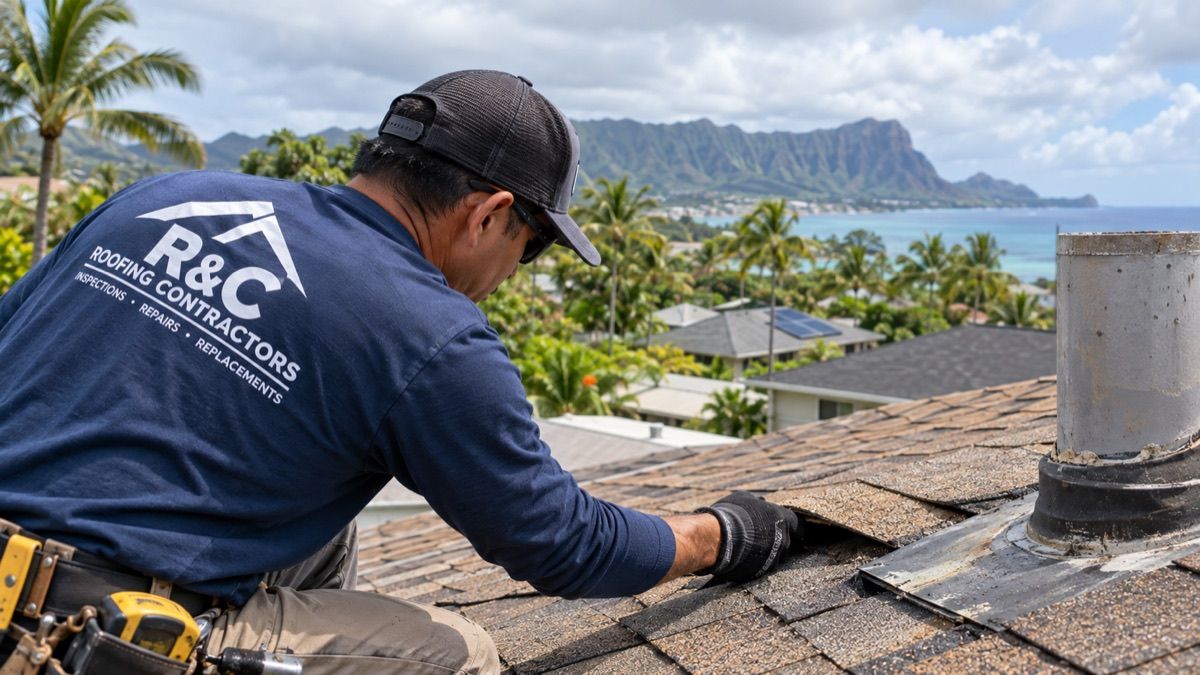
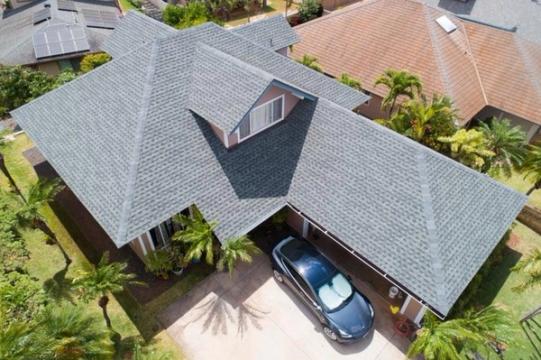
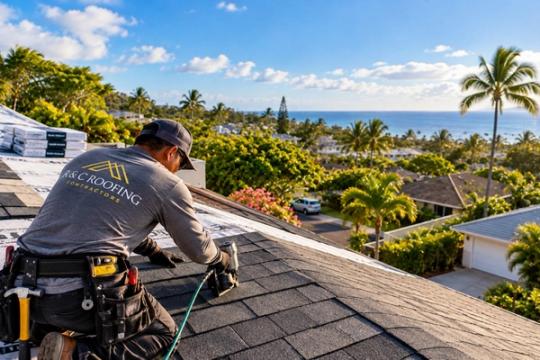
Choosing a roofing contractor in Hawaii is about more than finding someone who can install shingles or repair a leak. Your roof faces conditions that vary across Oahu, from salt-laden coastal air and intense sunshine to heavy rainfall and strong winds. The right contractor should understand those conditions, explain what your roof actually needs, and give you enough information to make a confident decision.
At R&C Roofing Contractors, we believe a good roofing decision starts with understanding the condition of the existing roof. Sometimes a targeted repair is appropriate. Other times, deterioration or recurring problems make replacement the more practical option. The important thing is knowing why.
This guide explains how to verify a roofing contractor's credentials in Hawaii, compare roofing estimates, evaluate materials, and ask the questions that matter before signing a contract.
How to Verify a Roofing Contractor in Hawaii
Before discussing materials or pricing, confirm that the contractor is properly licensed for the work.
Check the Contractor's Hawaii License
Hawaii regulates contracting through the Department of Commerce and Consumer Affairs (DCCA). You can research a contractor's licensing information through the state's Professional and Vocational Licensing resources and BusinessCheck verification system.
When checking a contractor, look for:
- An active license appropriate for the proposed roofing work.
- The legal business name associated with the license.
- Any publicly available disciplinary information.
- Consistency between the business name on the proposal and the license record.
Roofing contractors in Hawaii generally need the appropriate C-42 roofing classification.
Our roofing work is performed under R&C Enterprises LLC, license CT-33642. We encourage homeowners to verify licensing information independently rather than relying only on statements in an advertisement.
Ask About Insurance and Project Responsibility
Ask the contractor to provide evidence of applicable insurance coverage and explain who will be responsible for the work.
Find out whether the people performing the installation are employees or subcontractors, who supervises the project, and who you should contact if questions arise.
A professional proposal should make these responsibilities clear.
Look Beyond Star Ratings
Online reviews can help you identify patterns, but a five-star rating alone does not tell you whether a contractor is right for your roof.
Look for reviews that describe communication, workmanship, cleanup, problem resolution, and how the company handled unexpected issues.
Ask to see examples of comparable roofing work, particularly projects involving a similar roof system or property type.
What Does Roof Replacement Cost in Hawaii?
Roof replacement costs in Hawaii depend on the specific roof, materials, labor requirements, and site conditions. A reliable estimate requires more than knowing the home's square footage.
Several factors influence the final price.
| Cost Factor | Why It Matters |
|---|---|
| Roof size and complexity | Multiple slopes, valleys, penetrations, and steep sections can increase labor and material needs. |
| Roofing material | Asphalt shingles, metal, modified bitumen, and other systems have different installation requirements. |
| Existing roof removal | Removing and disposing of old materials adds work and may reveal concealed conditions. |
| Roof decking | Damaged or deteriorated decking may require additional repairs. |
| Flashing and drainage | Chimneys, vents, roof edges, valleys, and drainage points need appropriate detailing. |
| Property access | Limited access, roof height, and equipment needs can affect labor. |
| Permits and code requirements | Applicable requirements vary with the scope and location of the work. |
| Material availability | Shipping and supply conditions can influence project costs in Hawaii. |
Rather than relying on a generic cost-per-square-foot figure, request a written estimate based on an actual inspection.
How to Compare Roofing Estimates
When comparing estimates from different roofing contractors, make sure they cover the same scope.
Check whether each proposal identifies:
- The roofing material and proposed system.
- Whether the existing roofing will be removed.
- The underlayment and flashing work included.
- How damaged decking will be handled.
- Permit responsibilities, where applicable.
- Cleanup and disposal.
- Payment terms and any exclusions.
- Applicable manufacturer and workmanship warranty terms.
Two estimates can have very different prices because they include different work. The lowest number is not necessarily the lowest overall cost if important details have been excluded.
Ask each contractor to explain anything that is unclear before making a decision.
Roof Repair vs. Replacement: How Do You Know What You Need?
One of the most important questions to ask a roofing contractor is whether your existing roof can be repaired.
A roof leak does not automatically mean you need a full replacement. The appropriate solution depends on the roof's condition, the extent of damage, the roofing system, and whether the underlying problem can be corrected reliably.
When a Roof Repair May Be Appropriate
A repair may be worth considering when:
- Damage is confined to a limited area.
- The surrounding roofing remains in serviceable condition.
- The source of a leak can be identified.
- Flashing or another specific detail is causing the problem.
- A repair can address the underlying issue rather than temporarily hiding symptoms.
For example, water entering around a roof penetration may call for a flashing repair rather than replacing an otherwise functional roof.
Our roof repair services begin with identifying the problem and evaluating an appropriate scope of work.
When Roof Replacement May Make More Sense
Replacement may be more practical when a roof has widespread deterioration, recurring leaks across multiple areas, extensive moisture damage, or conditions that make isolated repairs unreliable.
The decision should be based on inspection findings rather than a sales recommendation alone.
We explain this distinction in greater detail in our article, Repair or Replace? Why the First Answer Should Not Be a New Roof.
Ask About Building Code Requirements
Roofing work may involve permit requirements, structural considerations, or other applicable building codes.
Be cautious when someone presents a blanket percentage rule as proof that your entire roof must be replaced. Ask which specific code provision applies to your property and proposed scope of work.
A contractor should be able to explain the basis for a recommendation without relying on vague statements about what the law requires.
Choosing Roofing Materials for Oahu's Climate
The best roofing material for one Oahu property may not be the best choice for another.
Rainfall, sun exposure, wind, coastal conditions, roof slope, and drainage all influence how a roofing system performs.
Asphalt Shingle Roofing
Asphalt shingles are commonly used on sloped residential roofs.
When evaluating a shingle system, consider the product specifications, installation requirements, roof ventilation, underlayment, and flashing details.
Proper installation matters just as much as the appearance of the finished roof.
Silicone Roof Coatings
Silicone coatings may be an option for certain existing roof systems, particularly some low-slope roofs.
However, a coating is not a universal solution for roof leaks or deterioration. The condition of the existing substrate, moisture, drainage, preparation, and product compatibility must be evaluated before recommending one.
A coating should not be used simply to conceal problems that require repair or replacement.
Modified Bitumen Roofing
Modified bitumen is another system used on low-slope roofs.
Installation methods and detailing vary by product and system. Seams, penetrations, edges, and drainage deserve particular attention because they can become vulnerable points if not handled correctly.
Metal and Tile Roofing
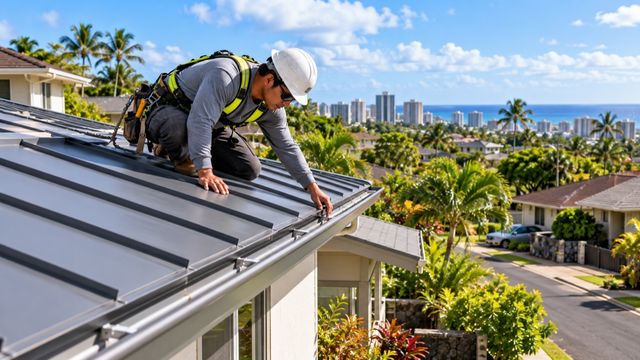
Metal and tile are also found on Hawaii properties. Their suitability depends on the building, roof design, existing structure, installation requirements, and maintenance considerations.
Rather than choosing a material solely because it is popular, ask which systems are appropriate for your specific roof and why.
Why Your Neighborhood Matters
Oahu's roofing conditions are not uniform.
A home in a wetter windward area may experience different moisture exposure than one in a sunnier leeward neighborhood. Coastal properties may also face greater exposure to salt-laden air.
Our article on how Oahu microclimates affect your roof explains why location-specific conditions matter when evaluating roofing materials and maintenance needs.
Eight Questions to Ask Before Hiring a Roofing Contractor
A good contractor should welcome informed questions.
1. Are you licensed for roofing work in Hawaii?
Ask for the license number and verify it through the state.
2. What did your inspection reveal?
Request a clear explanation of the roof's condition, including the areas that need attention and the evidence supporting the recommendation.
3. Can the roof be repaired, or is replacement necessary?
Ask what makes the recommended approach appropriate and whether reasonable alternatives exist.
4. What exactly is included in the estimate?
Review materials, preparation, flashing, removal, cleanup, permits, and exclusions.
5. Who will supervise the work?
Identify the person responsible for project coordination, communication, and addressing issues during installation.
6. How will unexpected damage be handled?
Concealed decking or other problems may become visible only after roofing materials are removed. Ask how additional work will be documented and approved.
7. What warranties apply?
Request the actual warranty terms, including what is covered, who provides the warranty, and any limitations or maintenance requirements.
8. How will you protect the property during the project?
Ask about debris management, landscaping protection, material storage, access, and cleanup.
These questions help you compare contractors based on their processes and accountability rather than price alone.
What to Do if Your Roof Was Damaged by a Storm
Strong winds, wind-driven rain, and flying debris can damage roofing materials and create water-entry points.
After a storm, prioritize safety. Avoid climbing onto a damaged or wet roof. Document visible damage from a safe location and take reasonable steps to protect the property without putting yourself at risk.
If you believe the damage may be covered by insurance, review your policy and contact your insurer promptly.
The Hawaii Insurance Division provides consumer information about insurance and claims-related matters.
How a Roofing Contractor Can Help
A roofing contractor can inspect the roof, document observed damage, explain repair needs, and prepare a construction estimate.
At R&C Roofing, we can provide contractor-side documentation and estimates using Xactimate when appropriate.
We do not act as public adjusters, negotiate insurance claims on a homeowner's behalf, or determine whether a policy covers particular damage. Coverage and settlement decisions belong to the insurer, subject to the policy and applicable law.
Learn more about our roofing insurance claim support.
Roofing Services We Provide on Oahu
Choosing the right contractor also means finding a company that handles the type of roofing work your property needs.
At R&C Roofing Contractors, our services include:
- Roof inspections: Evaluating visible roof conditions and identifying areas that may need repair, maintenance, or further investigation.
- Roof repairs: Addressing leaks, damaged roofing components, and other repairable conditions.
- Roof replacement and new installation: Planning and installing appropriate roofing systems when replacement or new construction is needed.
- Commercial roofing: Evaluating and working on roofing systems used on commercial properties.
- Gutter services: Addressing gutter-related needs that affect roof drainage and water management.
- Insurance-related roofing documentation: Providing roof inspections, damage documentation, and construction estimates within our role as a roofing contractor.
Our work focuses on Oahu. We do not represent ourselves as a statewide roofing service.
We also offer free roof inspections and estimates. If you need a formal written inspection report, we explain the associated fee upfront.
How to Choose Between Roofing Contractors
Once you have verified licensing, reviewed estimates, and asked your questions, consider four things before making your final decision.
1. The Contractor Explains the Problem Clearly
You should understand what is wrong with your roof, how the contractor reached that conclusion, and what the proposed work is intended to accomplish.
Be cautious if a recommendation is difficult to explain or seems disconnected from the inspection findings.
2. The Proposed Scope Matches the Roof's Condition
A contractor should not automatically recommend the most extensive project.
Sometimes a repair is appropriate. Sometimes replacement is justified. The important distinction is whether the recommendation is supported by the roof's actual condition.
3. The Estimate Is Detailed Enough to Compare
A useful estimate helps you understand what you are buying.
It should make important materials, work items, exclusions, and responsibilities clear enough that you can compare proposals without guessing.
4. Communication Builds Confidence
Notice how the contractor responds before the project begins.
Are your questions answered directly? Are important details documented? Does the company explain limitations and uncertainties rather than making promises it cannot substantiate?
Good communication during the evaluation stage can help establish realistic expectations for the work itself.
Start With a Free Roof Inspection From R&C Roofing
If you're comparing roofing contractors in Honolulu or elsewhere on Oahu, the first step is understanding your roof's current condition.
At R&C Roofing Contractors, we take an inspection-first approach. We assess the roof, explain what we find, and discuss repair or replacement options based on the condition of the roofing system.
Our team includes Robert Pilato, who holds a HAAG Certified inspector credential. Our roofing contractor license is CT-33642, issued under R&C Enterprises LLC.
We offer free roof inspections and estimates. Formal written inspection reports are available for a fee quoted upfront.
Whether you're dealing with a leak, considering a replacement, or simply trying to understand an aging roof, we're here to help you make an informed decision.
Contact R&C Roofing Contractors to schedule your free roof inspection, or call (808) 888-2524.