Do Roofers Need a License? Roofing Contractor Requirements in Hawaii
· R&C Roofing Contractors
Hiring a roofing contractor involves more than comparing estimates. Before allowing someone to inspect, repair, or replace your roof, you should know whether they are properly licensed to perform the work.
Roofers need a contractor license in many states, including Hawaii, but licensing requirements vary across the United States. Some states have dedicated roofing classifications, others use general contractor licensing or registration systems, and some leave certain requirements to local governments.
For Honolulu homeowners, the distinction is important. Hawaii regulates roofing contractors through its state contractor licensing system, and verifying a contractor's credentials is one of the most practical steps you can take before signing an agreement.
At R&C Roofing Contractors, we believe homeowners should understand who they are hiring and what qualifications matter. Our team serves Oahu under Hawaii contractor license CT-33642, which includes the C-42 roofing classification.
This guide explains how roofing licenses work, what Hawaii requires, and how to check a contractor's credentials before committing to roofing work.
Roofing License Requirements Across the United States
There is no single federal roofing contractor license that authorizes a company to work throughout the country.
Instead, roofing regulations are established primarily at the state and local levels. Requirements can differ significantly depending on where the property is located and the type or value of the work.
States With Roofing Contractor Licensing
Some states require roofing contractors to hold a specific license or classification.
California, for example, uses a C-39 roofing contractor classification. Hawaii uses a C-42 roofing classification within its specialty contractor licensing system.
These classifications identify contractors authorized to perform particular types of construction work, subject to the state's licensing rules.
Other states regulate roofing through broader contractor license categories rather than a roofing-specific classification.
States With Registration or Local Requirements
Some jurisdictions use contractor registration systems instead of a traditional trade licensing structure.
Registration and licensing are not necessarily equivalent. Registration may establish that a business has met certain administrative requirements without involving the same examinations or experience standards as a trade license.
In states without a statewide roofing license requirement, cities or counties may still impose licensing, registration, permitting, or other rules.
For that reason, homeowners should verify requirements through the appropriate government agency rather than assume that rules in one state apply elsewhere.
The National Association of State Contractors Licensing Agencies provides information about contractor licensing systems, but the relevant state or local authority remains the best source for current requirements.
Hawaii Roofing Contractor Licensing Requirements
In Hawaii, contractor licensing is administered by the Contractors License Board under the Department of Commerce and Consumer Affairs (DCCA).
Roofing is recognized under the C-42 specialty contractor classification.
This classification is relevant to contractors performing roofing work, including the installation, repair, and replacement of roofing systems within the scope authorized by their license.
The licensing framework is established under Hawaii Revised Statutes Chapter 444 and related administrative rules.
Homeowners can review official licensing information through the Hawaii Contractors License Board.
Experience and Examination Requirements
Hawaii's contractor licensing process includes requirements intended to establish that applicants have relevant experience and knowledge.
Depending on the application and classification, these requirements involve documented supervisory experience, applicable examinations, and other qualifications established by the licensing board.
Contractor applicants must also satisfy applicable business, financial, and insurance requirements.
These requirements are important because roofing involves more than installing visible materials. Contractors need to understand roofing systems, drainage, weather exposure, installation practices, and the conditions that can affect a roof's performance.
Contractor License Classifications
A contractor license number and a contractor classification are two different things.
The license number identifies the licensed contractor or business, while the classification identifies the categories of work covered by that license.
For example, R&C Roofing Contractors holds license CT-33642, including the C-42 roofing classification.
When comparing contractors, homeowners should verify both the license status and whether the classification is appropriate for the proposed roofing work.
Licensing and Insurance
A roofing contractor's license does not eliminate the need to ask about insurance.
Before approving a roofing project, request information about applicable general liability coverage and workers' compensation insurance.
Insurance requirements and coverage can vary, so homeowners should review the documentation relevant to the proposed work rather than assume that a license alone answers every question.
The Importance of Hiring a Licensed Roofer in Honolulu
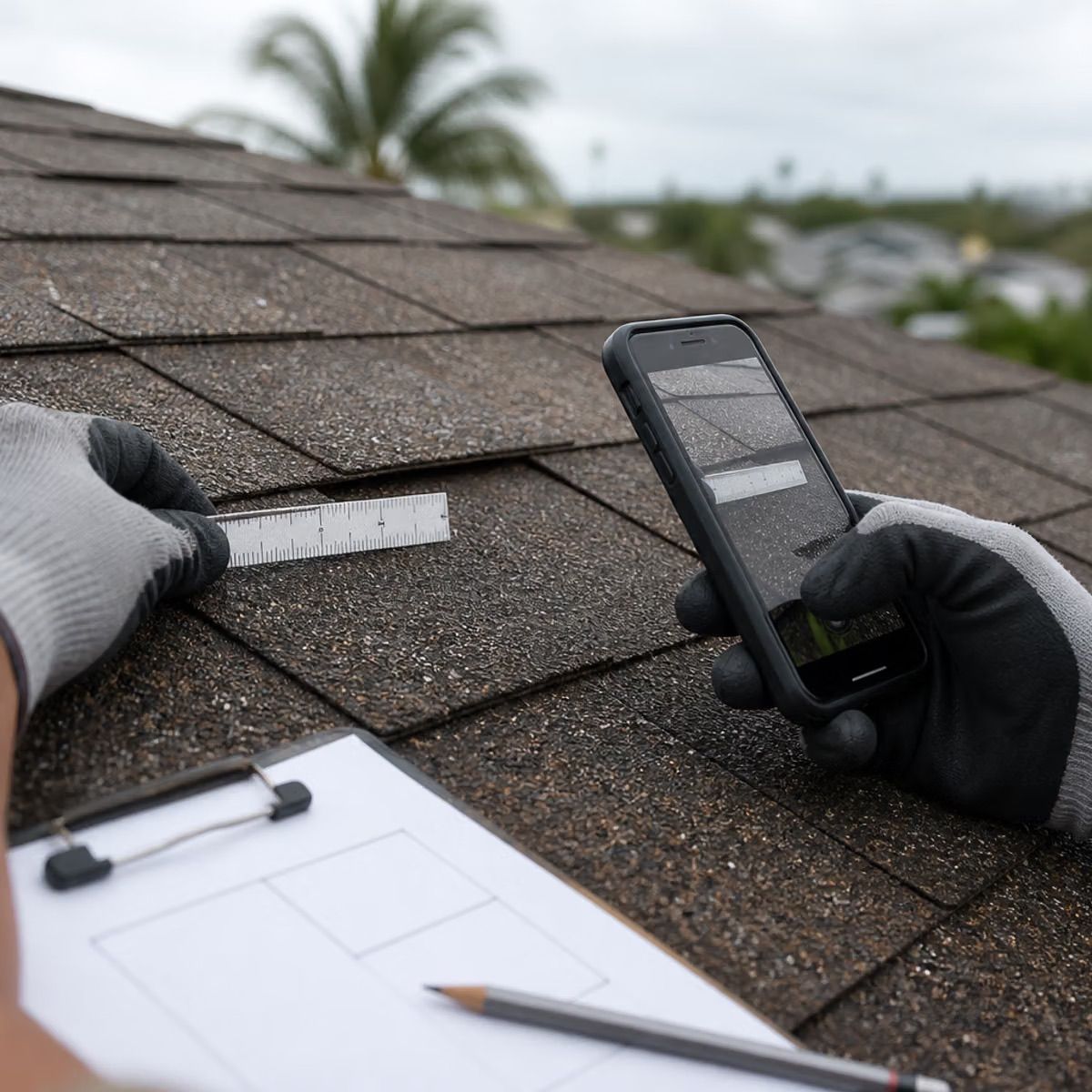
Roofing work can involve substantial financial and safety considerations.
An improperly installed roofing system may develop leaks, drainage problems, or premature deterioration. Correcting those problems can become especially disruptive when water reaches ceilings, insulation, or interior finishes.
Hiring a properly licensed contractor does not guarantee that problems will never occur. However, licensing establishes a regulatory framework for contractor qualifications and accountability.
Accountability and Consumer Protection
Licensed contractors are subject to applicable state regulations and oversight.
In Hawaii, homeowners can use DCCA resources to review licensing information and learn about complaint procedures.
If concerns arise during a roofing project, having accurate contractor information, written agreements, and payment records can help homeowners understand their options.
Appropriate Roofing Knowledge
Oahu's roofing conditions require attention to intense sunlight, coastal exposure, trade winds, and heavy rainfall.
A contractor should understand how these conditions affect the materials being installed or repaired.
For example, roofing work may involve evaluating damaged asphalt shingles, deteriorated flashing, low-slope membranes, or roof penetrations where water intrusion has developed.
Experience with the relevant roofing system is important when determining the appropriate repair method or replacement scope.
Clear Estimates and Project Expectations
A licensed contractor should still be evaluated on the quality and clarity of the proposed work.
Before signing, homeowners should understand which materials are included, what areas will be repaired or replaced, how additional damage will be handled, and what payment terms apply.
A detailed estimate makes it easier to compare contractors based on the work being proposed rather than price alone.
Verifying a Roofing Contractor's License in Hawaii
Checking a contractor's license is a straightforward way to reduce uncertainty before hiring.
The Hawaii DCCA provides an online licensing lookup that homeowners can use to review contractor information.
Step 1: Search the Official Licensing Database
Visit the Hawaii Professional and Vocational Licensing search.
Search using the contractor's business name or license number.
For R&C Roofing Contractors, the license number is CT-33642.
Step 2: Review the License Status and Classification
Confirm that the licensing record corresponds to the contractor you intend to hire.
Check the displayed status and verify that the contractor holds the classification needed for the proposed roofing work.
Do not rely solely on a license number printed on a business card, advertisement, or estimate.
Step 3: Check Available Enforcement Information
The Regulated Industries Complaints Office provides consumer information about regulated businesses and complaint procedures.
Review any relevant publicly available disciplinary or enforcement information and distinguish verified findings from unsubstantiated allegations.
Step 4: Request Insurance Documentation
Ask the contractor for current insurance documentation applicable to the project.
If necessary, confirm the details with the issuing insurance provider or agent.
Step 5: Review the Written Estimate
Before signing, compare the contractor's business information with the licensing record.
Make sure the estimate clearly describes the proposed roofing work, materials, costs, and payment expectations.
For larger projects, obtaining more than one estimate can help you compare repair approaches and understand differences in scope.
Warning Signs When Hiring a Roofing Contractor
Contractor licensing is one part of evaluating a roofing company. The way a contractor communicates and handles the estimating process also matters.
Be cautious when a contractor:
- Refuses to provide a license number or verifiable business information.
- Pressures you to sign immediately without explaining the work.
- Requests full payment before the project begins without a clear contractual basis.
- Recommends extensive roof replacement without explaining the observed damage.
- Provides vague estimates that do not identify the proposed materials or scope.
- Makes unrealistic promises about insurance claim approvals.
- Discourages you from checking credentials or comparing estimates.
These concerns can become especially relevant after major storms, when homeowners may feel pressured to address roof damage quickly.
A contractor should be able to explain the findings, discuss appropriate options, and provide enough information for you to make an informed decision.
The Federal Trade Commission's contractor hiring guidance offers additional consumer protection information.
Roofing Licenses and Storm Damage Insurance Claims
Roof damage caused by strong winds, falling debris, or other weather events can create questions about insurance coverage.
Homeowners should understand that contractor licensing and insurance claim approval are separate matters.
A licensed roofing contractor can inspect damage, document visible conditions, and prepare an estimate for necessary roofing work. However, the insurance company determines coverage under the policy.
At R&C Roofing, our contractor-side storm damage support can include roof inspections, photographs, repair scopes, and Xactimate estimates.
Homeowners remain responsible for filing claims directly with their insurance carriers. We do not act as public adjusters, negotiate claim settlements, or guarantee coverage decisions.
If your property has experienced storm damage, our storm and wind damage inspection service can help identify roofing conditions that need attention.
Roofing Experience and Inspection Qualifications
A valid license is an essential consideration, but it should not be the only factor in choosing a contractor.
Homeowners should also consider relevant roofing experience, familiarity with the materials on their property, and the contractor's approach to inspection and recommendations.
At R&C Roofing Contractors, our crew brings more than 50 years of combined roofing experience.
Robert Pilato also holds HAAG roof inspection certification #201408313, reflecting specialized training in roof damage assessment.
These qualifications support our approach to evaluating roofing conditions before recommending work.
We believe homeowners should understand whether their roof needs maintenance, localized repair, or replacement rather than being pushed toward the most expensive option.
You can learn more about our roof inspection services.
Choosing the Right Roofing Work After an Inspection
Once you have verified a contractor's credentials, the next step is understanding the work your roof actually needs.
A professional inspection can help distinguish between localized damage and broader deterioration.
For example, a small area of damaged flashing may be suitable for repair when the surrounding roof remains serviceable. Widespread deterioration, repeated leaks, or significant underlying damage may make replacement more appropriate.
At R&C Roofing, we provide free roof inspections and estimates so homeowners can evaluate their options before committing to roofing work.
Formal written inspection reports are available for an additional fee, which we quote before preparing the report.
Whether the recommendation involves roof repair or replacement, the decision should be based on the condition of the roof and the work required.
Work With a Licensed Roofing Contractor on Oahu
Roofing license requirements vary across the United States, but homeowners in Honolulu have a clear starting point: verify the contractor's Hawaii license and applicable roofing classification before approving work.
At R&C Roofing Contractors, we serve residential and commercial property owners throughout Oahu under license CT-33642.
We offer roof inspections, repairs, replacements, and storm damage assessments, with recommendations based on the condition of the roofing system.
If you are evaluating a roofing contractor or need help understanding damage to your roof, we can start with a free inspection and estimate.
Call (808) 888-2524 or contact R&C Roofing Contractors to schedule your roof inspection.
Start with verified credentials and a clear understanding of your roof before deciding on the next step.