Choosing the Right Architectural Shingles for Coastal Homes
· R&C Roofing Contractors

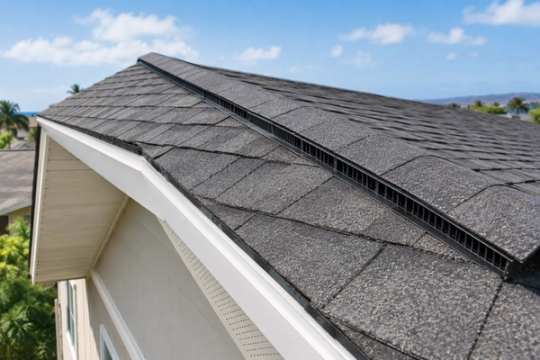
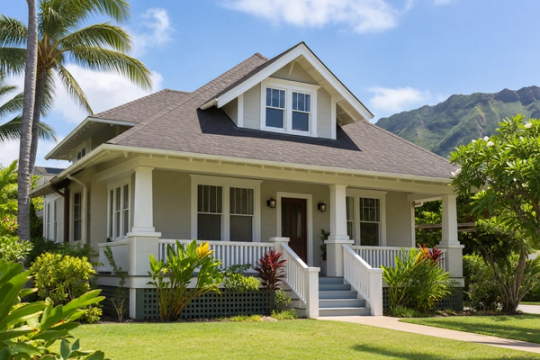
Architectural shingles, also called dimensional or laminated shingles, remain a practical choice for many Oahu residences. They offer a thicker profile, stronger wind resistance than basic three-tab products, and a range of colors that complement island architecture. For homes near the coast or in high-humidity zones, however, the right product must address three specific challenges: salt-air corrosion of metal components, intense ultraviolet degradation of the asphalt, and the rapid growth of blue-green algae that creates dark streaks.
Selecting a shingle without considering these local conditions often leads to earlier granule loss, staining, or reduced service life. This guide outlines the performance features that matter most for coastal and near-coastal properties on Oahu and explains how an accurate roof assessment supports the decision
.
What Makes Architectural Shingles Different
Architectural shingles are constructed with multiple laminated layers of asphalt-coated fiberglass mat. The extra thickness creates a dimensional appearance that mimics wood shakes or slate while improving resistance to wind uplift. Most modern products carry wind ratings of 110 to 130 mph when installed according to manufacturer specifications and local high-wind fastening patterns.
On Oahu the fastening detail is especially important. Hawaii building codes classify much of the island as a high-wind zone. A six-nail pattern per shingle, combined with starter strips and ridge-cap products from the same system, helps the roof perform closer to its rated capacity during Kona storms or trade-wind events.
Key Performance Features for Coastal Environments
Salt-Air Resistance
Salt air accelerates corrosion of any exposed metal. While the shingles themselves are asphalt and mineral, the nails, flashing, and ridge vents must be selected for marine exposure. Stainless or hot-dipped galvanized fasteners and corrosion-resistant flashings reduce the risk of premature failure at the roof edge and penetrations. Architectural shingles themselves do not “resist” salt, but pairing them with the correct metal components protects the entire system.
Algae-Blocking Granule Technology
In humid windward and valley locations, Gloeocapsa magma (commonly called blue-green algae) thrives on asphalt surfaces. The result is dark streaking that appears years earlier than on drier leeward roofs. Manufacturers address this by embedding copper or zinc granules into the mineral surface. Rainwater slowly releases microscopic metal ions that inhibit algae colonization.
Products carrying names such as StainGuard, StreakGuard, or StreakFighter typically include these granules. Warranty periods for algae resistance vary by brand and registration requirements, often ranging from 10 to 25 years when the full system is installed by a credentialed contractor. Algae resistance does not eliminate the need for occasional cleaning, but it slows the formation of visible streaks under Oahu’s moisture conditions.
UV Stability and Thermal Performance
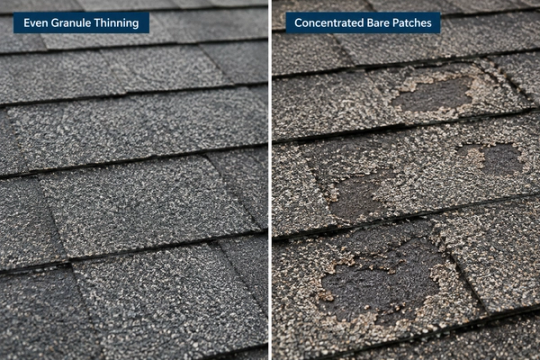
Leeward slopes and open coastal exposures receive prolonged high UV intensity. Architectural shingles formulated with UV-stabilized asphalt and denser granule coverage slow the oxidation process that leads to brittleness and accelerated granule loss. Lighter color blends also reflect more solar radiation, which can modestly reduce attic heat gain compared with dark charcoal surfaces.
Matching the Product to the Property
No single shingle performs equally well across every Oahu microclimate. A home in Kailua or Kaneohe benefits most from strong algae resistance and robust underlayment to manage frequent moisture. A property in Kapolei or Ewa Beach prioritizes UV stability and heat reflectance. Coastal lots in Hawaii Kai or along the South Shore require careful attention to metal components that resist salt corrosion.
The decision also involves the remaining life of the existing roof deck, the condition of the underlayment, and any planned solar installation. Installing a premium architectural shingle over a compromised deck simply transfers the failure point downward.
| Feature | Why It Matters on Oahu | What to Look For |
|---|---|---|
| Algae resistance | High humidity drives rapid streaking on windward and valley roofs | Copper- or zinc-infused granules with documented warranty |
| Wind rating | High-wind zones and Kona storms | 130 mph rating when installed with proper nailing and accessories |
| UV stability | Intense year-round sun accelerates asphalt aging | Dense granule coverage and UV-resistant asphalt formulation |
| Color selection | Aesthetic match plus heat reflectance | Lighter blends for leeward heat reduction; multi-tone for curb appeal |
| System components | Salt air and wind-driven rain stress edges and penetrations | Matching starter, ridge, and corrosion-resistant metals |
The Importance of an Accurate Assessment Before Replacement
Choosing the shingle is only half the decision. The other half is confirming that the roof structure and underlayment can support a new system for its expected service life. R&C Roofing begins every residential project with a diagnostic inspection. Robert Pilato, HAAG Certified Inspector (Certification #201408313), evaluates the existing materials, documents visible conditions, and determines whether a full replacement is warranted or whether targeted repair remains viable.
The inspection considers local exposure: coastal salt, windward moisture, or leeward UV. Findings are presented without pressure so the homeowner understands the actual condition of the roof before selecting materials or signing a contract.
If the project involves insurance documentation after weather damage, R&C provides contractor-side information only. The company does not act as a public adjuster or guarantee claim outcomes. Details of that process appear on the claims support page.
Relevant Services for Residential Upgrades
R&C Roofing supports homeowners through the full cycle of material selection and installation:
- Roof inspections that establish the current condition and remaining service life under Oahu exposure
- Residential roof replacement using architectural shingles matched to the property’s microclimate
- Targeted roof repair when only localized areas require attention
- Gutter systems that manage runoff and protect the new roof edge
Material choices are guided by the documented needs of the roof rather than a preferred product line. The company installs asphalt architectural shingles, standing-seam metal, stone-coated steel, and concrete tile according to the conditions of each property.
Frequently Asked Questions
Are architectural shingles better than three-tab for coastal homes?
Yes. The laminated construction provides greater thickness, improved wind resistance, and a longer expected service life when properly installed. Three-tab products are rarely recommended for new Oahu installations.
Do algae-resistant shingles eliminate black streaks completely?
They significantly slow the growth of blue-green algae, especially when the full system is installed correctly. Heavy tree cover or extreme humidity can still produce some staining over time, but the rate is reduced.
How long do architectural shingles typically last on Oahu?
Service life depends on exposure, installation quality, and maintenance. Under tropical UV and salt air, many systems perform for 15 to 25 years. An accurate inspection provides a more specific estimate for a given property.
Should I choose a lighter color for heat reduction?
Lighter blends reflect more solar radiation and can lower roof-surface temperatures. The aesthetic preference of the homeowner remains important; performance and appearance can be balanced during material selection.
Does R&C install only one brand of architectural shingle?
No. The company selects products based on the specific requirements of the roof and the homeowner’s priorities, always following manufacturer specifications so warranties remain intact.
Make the Selection with Clear Information
Architectural shingles can deliver both curb appeal and reliable protection on Oahu when the product features match the local climate stresses and the roof structure is ready to receive them. Salt-air resistance in the metal components, algae-blocking granules, and UV-stable asphalt are the practical priorities for coastal and near-coastal homes.
R&C Roofing evaluates the existing roof with HAAG Certified expertise and local knowledge of Oahu microclimates. The process starts with a free inspection and estimate so you understand the actual condition of the roof before choosing materials or authorizing work.
Call (808) 888-2524 or schedule through the website. Accurate documentation of the roof’s condition allows you to select architectural shingles that perform under the island’s unique demands.