Understanding Granule Loss: When Is It Normal Aging?
· R&C Roofing Contractors
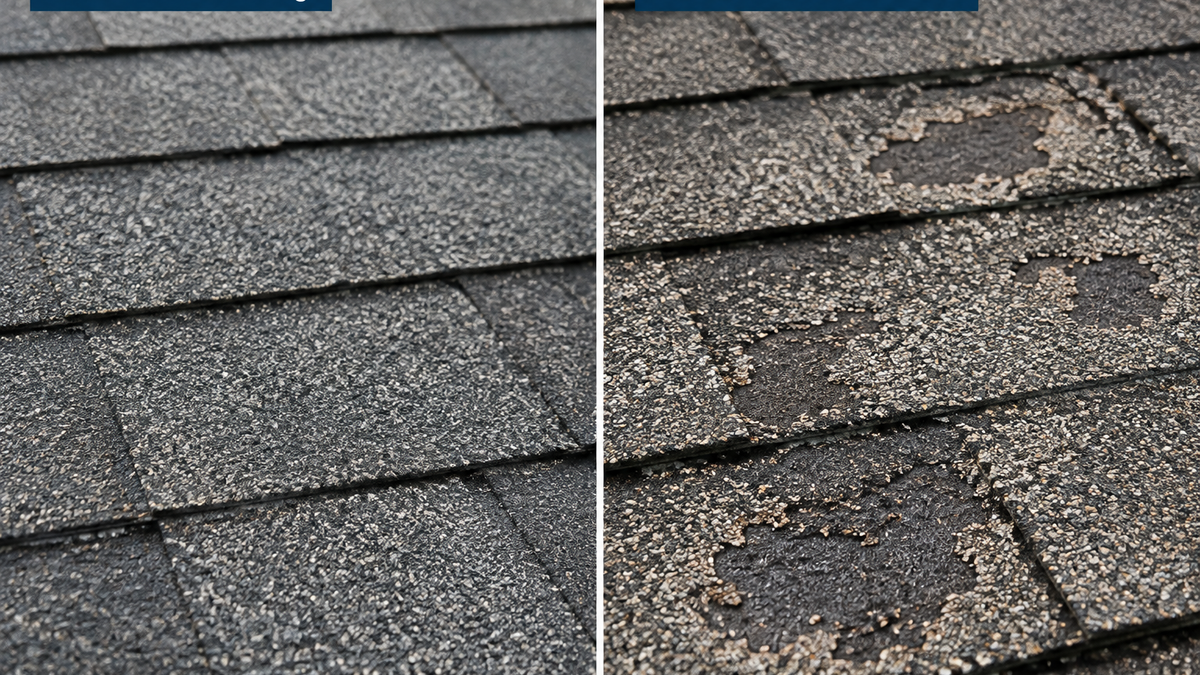
If you notice colored grit collecting in your gutters or along the foundation after a rain, you are looking at asphalt shingle granules. These small mineral particles cover the surface of most residential roofs on Oahu. Their job is straightforward: they shield the underlying asphalt from ultraviolet radiation, help regulate temperature, and give the roof its color.
Some granule loss is expected. The question is whether the amount and pattern you see reflect ordinary aging under Hawaii’s intense sun or something more urgent. This distinction matters for Oahu homeowners because tropical UV, salt air, and thermal cycling accelerate wear differently than mainland conditions.
Why Granules Matter on an Oahu Roof
Asphalt shingles rely on a layer of ceramic-coated granules embedded in the asphalt surface. Industry sources note that these granules provide the majority of the roof’s protection against ultraviolet light. When enough granules wash away, the asphalt mat becomes exposed. Direct sun then accelerates oxidation, hardening, and eventual cracking of the asphalt.
On Oahu the process moves faster than in cooler climates. Leeward areas such as Kapolei and Ewa Beach receive prolonged high UV exposure and surface temperatures that can exceed 150°F. Windward neighborhoods face frequent moisture that helps loosen already weakened granules. Coastal properties add salt air that can further stress materials. The result is that a shingle rated for 25 or 30 years on the mainland may show advanced aging well before that mark here.
Normal Granule Loss Versus Problematic Loss
Not every collection of granules signals a failing roof. Patterns and timing help separate ordinary weathering from damage that needs attention.
Expected Stages of Granule Shedding
| Roof Age | Typical Granule Behavior | What It Usually Means |
|---|---|---|
| 0–2 years | Light shedding of manufacturing fines after the first few rains | Normal; excess granules not fully bonded during production |
| 3–12 years | Minimal, even loss across the surface | Routine weathering under tropical UV and rain |
| 13–20 years | Gradual thinning, more noticeable accumulation in gutters | Accelerated aging common on Oahu; monitor closely |
| 20+ years | Heavier loss, possible bare spots appearing | Roof approaching end of functional life |
Even gradual thinning across an entire slope is consistent with aging. A handful of granules after a heavy rain on a mature roof is rarely cause for alarm by itself.
Signs That Warrant Closer Attention
Watch for these patterns:
- Concentrated bare patches that expose the dark asphalt mat
- Sudden heavy deposits of granules after a single storm, especially on a roof younger than 15 years
- Circular or irregular impact marks (less common on Oahu than on the mainland but possible from wind-driven debris)
- Uneven loss limited to one slope or one area of the roof
- Accompanying symptoms such as curling edges, cracking, or interior stains
Sudden, localized loss after high winds or a Kona storm often points to mechanical impact rather than slow chemical breakdown. Widespread thinning on an older roof is more likely the natural result of years of UV exposure.
How Oahu’s Microclimates Influence the Process
A roof in Kailua experiences different stress than one in Kapolei. Windward moisture keeps materials wetter for longer periods, which can loosen the bond between granules and asphalt. Leeward heat drives rapid thermal expansion and contraction, baking the asphalt and reducing its grip on the mineral surface. Coastal salt air contributes additional corrosion risk to metal components and can affect overall system durability.
These local factors mean that mainland rules of thumb about “normal” granule loss do not always apply here. An accurate assessment requires someone who understands how the same materials perform across Oahu’s varied exposures.
What a Professional Inspection Reveals
Visual checks from the ground or a ladder can identify obvious accumulation, but they rarely distinguish between normal aging and functional damage. A structured evaluation looks at the full roofing system: granule coverage, asphalt condition, flashing integrity, ventilation, and any signs of underlying deck issues.
R&C Roofing approaches every property with an inspection-first process. Robert Pilato, HAAG Certified Inspector (Certification #201408313), applies forensic standards that help separate ordinary island weathering from sudden weather impacts. The goal is clear documentation of visible conditions so you can decide next steps with accurate information rather than assumptions.
If the findings relate to a recent weather event, R&C provides contractor-side documentation that can support your records. The company does not act as a public adjuster, negotiate settlements, or guarantee claim outcomes. You file directly with your carrier; R&C supplies the physical assessment and technical scope details when requested. Learn more about this process on the roof insurance claim help page.
Inspections and estimates are free. Written reports for insurance or real estate purposes carry a quoted fee.
Relevant Services for Oahu Homeowners
When granule loss is part of a larger concern, R&C offers a range of services matched to the actual condition of the roof:
- Roof inspections that document current material condition and remaining service life under local exposure
- Targeted roof repair when damage is localized and the surrounding system remains sound
- Full residential roof replacement when widespread degradation makes repair impractical
- Gutter systems that manage heavy island rainfall and reduce further water-related stress on the roof edge
Every recommendation starts from the documented findings rather than a predetermined sales path. The company would rather confirm that a roof still has useful years remaining than propose work that is not needed.
Frequently Asked Questions
Is some granule loss always normal?
Yes. New roofs shed manufacturing fines in the first year or two. Mature roofs continue to lose granules gradually as the asphalt ages under UV exposure. The rate and pattern determine whether the loss is routine or concerning.
Does heavy granule loss after a storm mean I need a new roof?
Not automatically. Sudden concentrated loss can indicate impact damage that may be repairable. Only a physical inspection can determine the extent and whether the rest of the system remains serviceable.
How does Hawaii’s sun affect shingle life compared with the mainland?
Higher year-round UV intensity and elevated surface temperatures accelerate asphalt oxidation and granule release. Roofs here often show advanced weathering earlier than the same products would in cooler climates.
Can R&C document granule-related conditions for insurance?
Yes. The team inspects and photographs visible conditions and can supply contractor-side scope information. Coverage decisions rest solely with the insurance carrier.
What should I do if I see granules in my gutters?
Note the volume and whether the loss appears even or concentrated. Then schedule a professional evaluation so the findings are based on the full roof system rather than gutter contents alone.
Get Clear Facts About Your Roof
Granule loss is one of the most common observations Oahu homeowners make, yet its meaning depends on age, pattern, location, and recent weather. Guessing from the ground or relying on general mainland advice often leads to either unnecessary worry or delayed action.
R&C Roofing provides HAAG Certified inspections that distinguish normal tropical aging from conditions that require repair or replacement. The process is straightforward: the team evaluates the roof, documents findings, and explains what the property actually needs.
Call (808) 888-2524 or schedule through the website to arrange a free inspection and estimate. Written reports are available when needed for insurance or real estate purposes. Start with accurate information so your next decision protects both your home and your budget.