Capital Expense Planning for Oahu AOAO Boards
· R&C Roofing Contractors

As a board member or property manager for an Association of Apartment Owners on Oahu, you carry a clear fiduciary duty. You protect the physical assets of the community and the reserve funds that owners rely on. Roofs sit near the top of that list. They shield every unit from wind-driven rain, salt air, and intense UV. When a roof fails earlier than expected, the cost lands on the association and the owners.
Capital expense planning for roofs is not about guessing or reacting after a storm. It is about multi-year projections grounded in actual condition data. This gives the board a clearer basis for setting reserves and scheduling major work.
Why Oahu Roofs Demand Different Planning
Mainland reserve studies often assume a fixed lifespan based on manufacturer ratings. Oahu conditions change those numbers. Coastal salt air accelerates corrosion on fasteners and flashing. Windward sides face higher moisture and mold risk. Leeward areas see stronger UV breakdown and occasional high winds. Microclimates within a single complex can produce different wear rates on identical roofs.
A board that relies only on age or a single visual walk-through risks two expensive mistakes: replacing a roof that still has service life left, or deferring work until leaks force emergency repairs and higher claims costs. Proactive condition reports close that gap. They give you measurable data on remaining life, material performance, and the sequence of needed work across multiple buildings.
Fiduciary Responsibilities and Multi-Year Projections
Hawaii law and standard AOAO practices require boards to maintain adequate reserves for major components. Roofs qualify as a primary capital item. Your role includes:
- Gathering reliable condition data rather than relying on age alone
- Projecting replacement or major repair costs over a five- to ten-year horizon
- Aligning those projections with reserve study updates
- Documenting decisions so owners and future boards can verify the basis for spending
A single inspection that simply says “replace soon” does not meet that standard. Boards need reports that list specific findings, estimated remaining service life by section or building, and recommended timelines. Those reports become the foundation for the multi-year capital plan.
When insurance is involved, the same documentation supports the association’s claim file. R&C Roofing provides contractor-side documentation of visible damage and a clear scope of work. We do not negotiate settlements or act as public adjusters. Your carrier makes coverage decisions based on the policy. Our role is to record the physical condition accurately so the conversation stays focused on facts.
Learn more about how we support claims.
Building a Practical Multi-Year Roof Plan
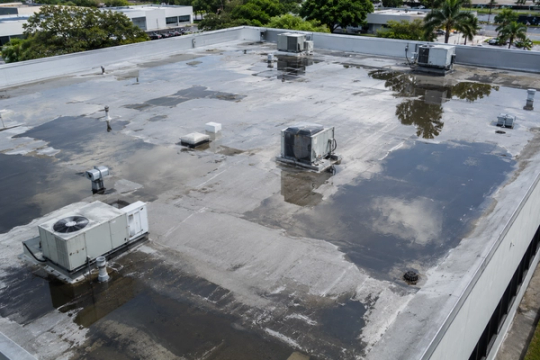
Start with a baseline assessment of every building or section. A HAAG-certified inspection records the current state of the covering, underlayment visibility where accessible, flashing, penetrations, and drainage. From that baseline you can assign remaining-life estimates and priority rankings.
Update the assessment on a set cycle, typically every two to three years or after significant weather events. The updates show whether wear is tracking as expected or accelerating. Use those findings when updating the reserve study and annual budget.
Consider this sample projection framework for a mid-size Oahu complex with three buildings of similar age:
| Building / Section | Current Condition Summary | Estimated Remaining Service Life | Recommended Action Window | Estimated Cost Range (illustrative) |
|---|---|---|---|---|
| Building A (windward) | Moderate granule loss, intact flashing | 4–6 years | Repair year 2, full review year 5 | Targeted repair first; full scope later |
| Building B (leeward) | UV surface wear, sound underlayment | 7–9 years | Monitor; reassess year 4 | Defer major work |
| Building C (coastal) | Salt corrosion on metal edges, minor leaks | 2–4 years | Scope and schedule year 1–2 | Prioritize repair or replacement |
Numbers are illustrative only. Actual figures come from site-specific inspections. Use this type of table to compare building conditions, timing, and projected costs.
Services That Support AOAO Capital Planning
We inspect the roof first, then recommend repairs or replacement based on what we find. Our services for property managers and AOAO boards include:
- Multi-building roof inspections with photographic documentation and written findings
- Targeted roof repairs that address the root cause rather than temporary patches
- Full roof replacements and new installations built to Hawaii wind-uplift codes
- Commercial-grade solutions for multi-family and association properties
- Gutter installation and repair to manage heavy island rainfall
We serve the entire island, from South Shore to Windward, Central, and Leeward locations. Our crews understand the microclimates that affect each side.
Inspections and estimates are free. Written reports that boards use for reserves, insurance, or owner meetings carry a fee. That separation keeps the assessment independent of any later construction decision.
Common Pitfalls Boards Can Avoid
One frequent error is treating the roof as a single asset with one replacement date. Different elevations and exposures age at different rates. Another is accepting a contractor’s verbal opinion without a documented report. Owners and future board members need the written record.
Waiting until leaks appear almost always raises the final cost. Water that reaches the deck or interior finishes creates additional repair lines and potential unit owner claims against the association. Regular condition reports catch issues while they remain limited to the roofing system.
How Condition Reports Fit Insurance and Real Estate Needs
When a board files a claim after a storm, the carrier will request evidence of the damage. A current inspection report with dated photographs and a technical scope supplies that evidence. The same report can support reserve study updates or disclosure documents if the association is preparing for a major project or if units are transferring ownership.
R&C supplies the contractor-side information. Coverage decisions remain with the insurance carrier. We provide the roofing documentation. The carrier decides coverage.
FAQ
How often should an AOAO schedule full roof condition reports?
Every two to three years under normal conditions, or after a named storm or high-wind event that affects the property. More frequent checks make sense for older roofs or coastal exposures.
Can a single inspection cover an entire multi-building complex?
Yes. We structure the work by building or by section so the report shows relative condition and priority ranking across the property.
What if the inspection shows the roof still has years of service left?
That is the preferred outcome. We document the remaining life and recommend a monitoring schedule rather than construction. Boards then update the reserve plan with realistic timelines.
Does R&C negotiate insurance settlements for associations?
No. We document visible damage and provide contractor-side scope and pricing information. We do not act as public adjusters or negotiate claim outcomes.
How do microclimates on Oahu affect reserve planning?
Windward moisture, leeward UV, and coastal salt each shorten or alter material performance differently. Site-specific findings replace generic lifespan tables.
What happens after the board receives the written report?
You review the findings, update the multi-year capital plan, and decide the next steps. If work is needed, we can prepare a detailed proposal under our Hawaii Contractor License C-33642.
Next Step for Your Board
Capital expense planning works when it rests on current, verifiable condition data. A clear inspection report gives your board the facts needed to set realistic reserves, sequence work across buildings, and answer owner questions with documentation rather than opinion.
Schedule a multi-building assessment for your Oahu complex. We will walk the roofs, record what we find, and deliver the written report your board can use for planning, reserves, and any related insurance file. Call (808) 888-2524 or visit the contact page to set the date.