Installing Metal Roofing in Hawaii: A Guide for Oahu Property Owners
· R&C Roofing Contractors
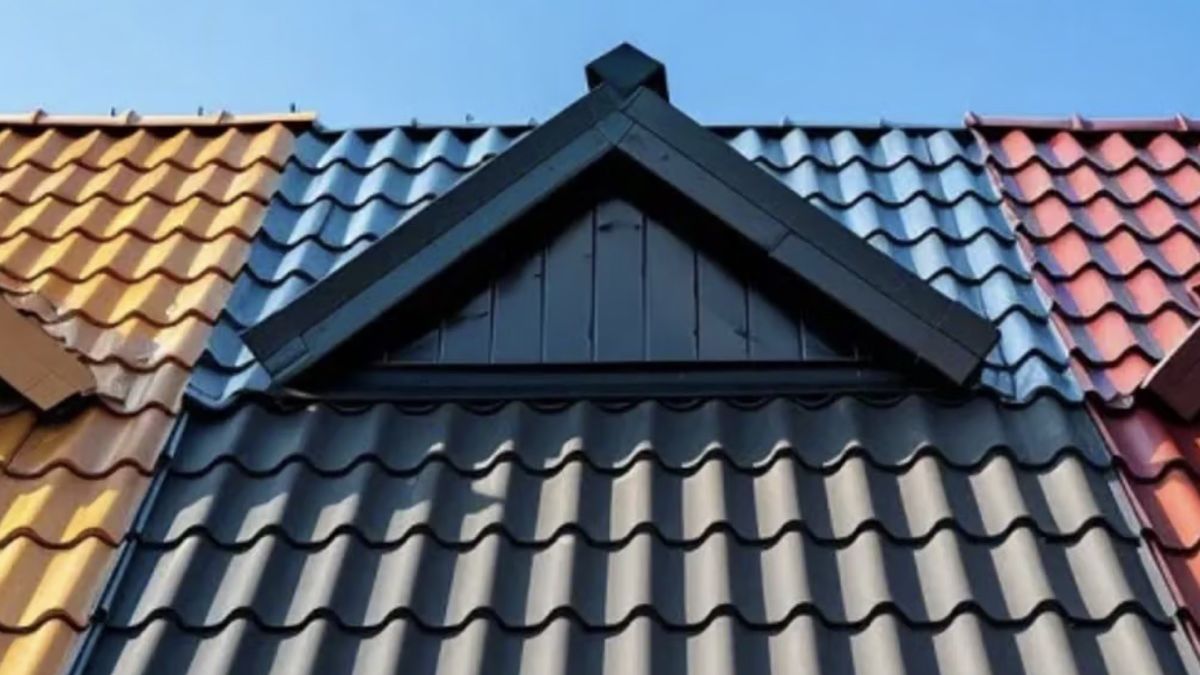
Installing metal roofing in Hawaii requires more than choosing a panel style and fastening it to your roof. The installation must account for salt air, heavy rain, wind exposure, and the condition of the existing roof structure.
Metal roofing can be a practical option for homes and commercial buildings across Oahu, but its performance depends heavily on material selection and proper installation. The wrong fasteners, poorly designed flashing, or inadequate preparation can lead to leaks and premature corrosion.
At R&C Roofing, we help property owners understand their roofing options before recommending a replacement. In this guide, we'll explain how metal roofing is installed, what matters most in Hawaii's climate, and what to expect when working with a roofing contractor.
Why Metal Roof Installation Requires Special Attention in Hawaii
Hawaii's coastal environment creates challenges that aren't always present in mainland roofing projects.
Salt carried by ocean air can accelerate corrosion, particularly around exposed fasteners, cut edges, and incompatible metal components. Heavy rainfall also puts flashing, seams, and roof penetrations to the test.
Wind exposure is another important consideration. A roof in an open coastal area may experience different conditions than one surrounded by buildings or sheltered by higher terrain.
These conditions influence several installation decisions:
- Metal selection: The roofing material and protective finish should be appropriate for the property's exposure to salt air.
- Fasteners: Screws, clips, and other attachment components must be compatible with the roofing system and its environment.
- Flashing: Roof edges, valleys, vents, and wall intersections need properly designed water protection.
- Panel attachment: The installation must follow the selected system's requirements and applicable building codes.
- Drainage: Roof geometry and panel details must allow rainwater to move off the roof without collecting around vulnerable areas.
There isn't one metal roofing system that's best for every property in Hawaii. We consider the building's condition, roof design, and location before recommending materials.
For a closer look at how location affects roofing decisions, read our guide to Oahu's microclimates and their impact on roofs.
Choosing the Right Metal Roofing System
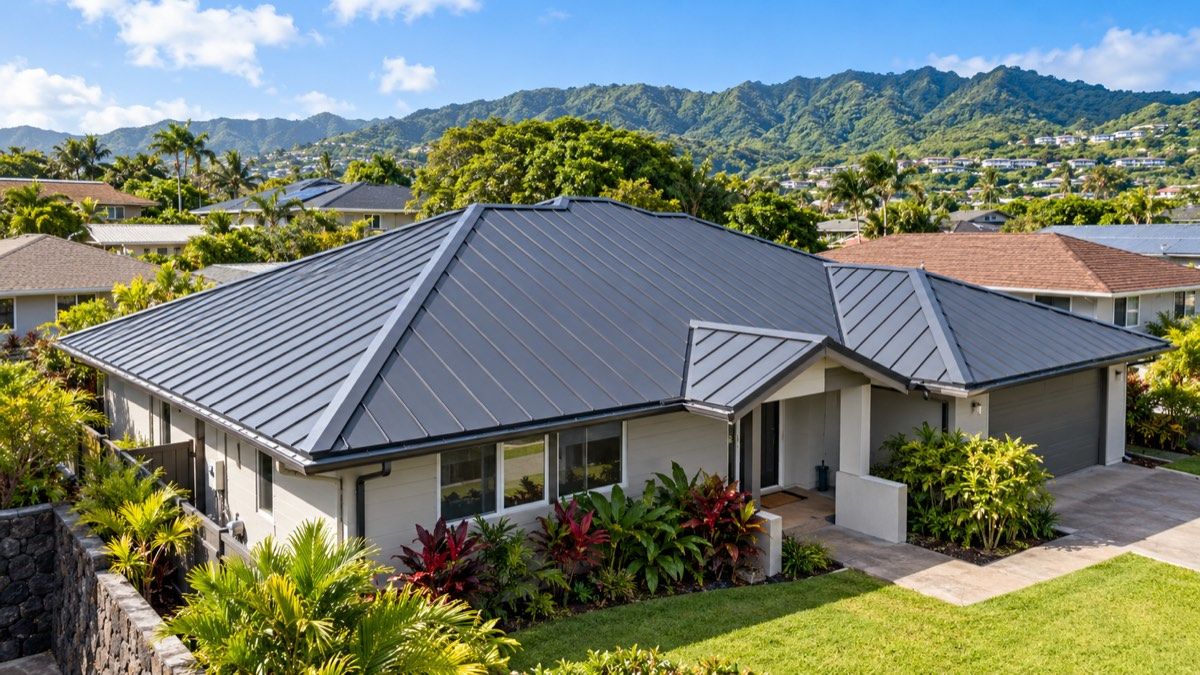
The type of metal roofing you choose affects both the appearance of your roof and how it is installed.
Standing Seam Metal Roofing
Standing seam systems use long panels connected by raised seams. Many designs conceal the primary panel fasteners beneath the roofing surface.
Concealed-fastener systems can reduce the number of exposed fastening points, although seams, flashing, and penetrations still require careful installation.
Standing seam roofing is worth considering when a property owner wants a clean, modern appearance and a system designed to accommodate thermal movement.
Exposed-Fastener Metal Roofing
Exposed-fastener systems attach panels directly through the roofing surface using screws with sealing washers.
These systems have a different installation method from concealed-fastener roofing and require particular attention to screw placement, fastening pressure, and ongoing maintenance.
Because the fasteners remain exposed to weather, their condition is an important part of future roof inspections.
Metal Shingles and Stone-Coated Steel
Metal shingles and stone-coated steel products provide alternatives to the appearance of long metal panels.
Some resemble traditional shingles or tiles while using metal as the primary roofing material. Their installation details differ by manufacturer and product.
The best choice depends on roof slope, architecture, coastal exposure, maintenance expectations, and budget.
You can explore our metal roofing services and material options for more information.
How Metal Roofing Is Installed in Hawaii
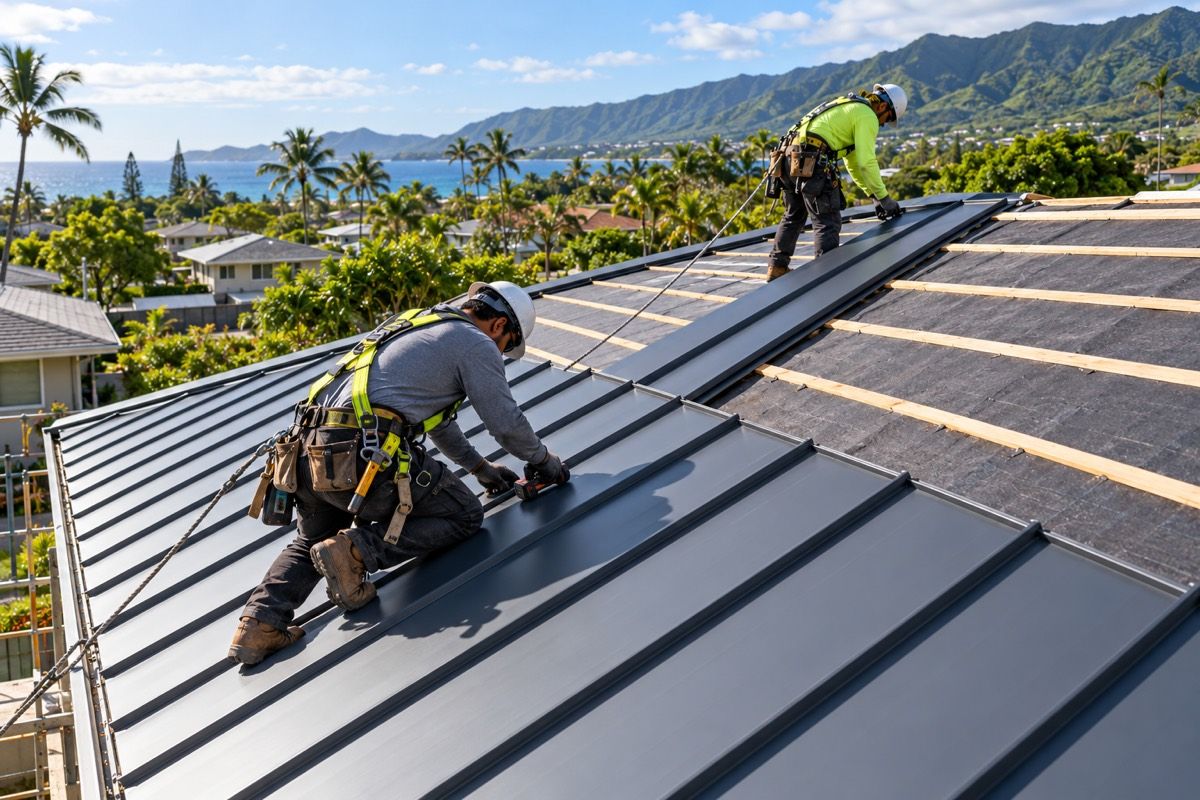
Although installation methods vary by roofing system, most metal roof replacement projects follow a similar sequence.
1. Inspecting the Existing Roof
Before installation begins, the contractor should evaluate the existing roofing system and the structure supporting it.
This includes checking for visible leaks, damaged decking, deteriorated flashing, and other conditions that could affect the new roof.
The inspection also helps determine whether the existing roofing needs to be removed and whether repairs are required before installation.
At R&C Roofing, we start with an inspection because not every roofing problem requires replacement. If a repair is a reasonable option, we'll explain it.
2. Removing Existing Roofing and Preparing the Deck
For a replacement that requires tear-off, the existing roofing material is removed so the underlying deck can be evaluated.
Damaged or deteriorated sections need to be addressed before the new roofing system is installed.
A metal roof depends on a sound supporting surface. Installing new panels over unresolved moisture damage or weakened decking can create problems that are much harder to correct later.
The contractor also prepares roof edges, transitions, and other areas that need specific installation details.
3. Installing Underlayment and Water Protection
Roofing underlayment provides an additional layer of protection beneath the metal panels.
The appropriate underlayment depends on the metal roofing product, roof design, and manufacturer requirements.
Particular attention is needed around valleys, roof edges, penetrations, and other areas where water may be concentrated.
Underlayment is not a substitute for properly installed panels and flashing. These components must work together as a complete roofing system.
4. Measuring, Cutting, and Positioning Metal Panels
Once the roof is prepared, installers measure and position the metal panels according to the roof layout.
Accurate alignment matters because small errors can affect panel seams, roof edges, and the appearance of the finished installation.
Panels must also be cut and handled using methods appropriate for the product. Improper cutting or damage to protective finishes can create vulnerable areas, especially in coastal environments.
The installation method depends on whether the system uses concealed clips, exposed screws, or another manufacturer-approved attachment design.
5. Installing Fasteners, Flashing, and Roof Penetrations
This is one of the most important stages of metal roof installation.
Flashing directs water away from vulnerable areas, including:
- Roof valleys and edges
- Chimneys and wall intersections
- Plumbing vents and other penetrations
- Skylights and equipment connections
- Transitions between different roof sections
Fasteners must be installed according to the roofing system's specifications. Overdriven or improperly positioned screws can compromise exposed-fastener systems.
Metal panels also expand and contract as temperatures change. The installation must account for that movement rather than restricting it in ways the system wasn't designed to handle.
Many roof leaks begin around transitions and penetrations rather than through the main roofing panels. That's why these details deserve as much attention as the visible metal surface.
Our article on custom roof flashing for complex roof designs explains why these connections matter.
6. Completing the Final Roof Inspection
After installation, the contractor should inspect the completed roofing system.
This includes checking panel alignment, attachment details, flashing, penetrations, and areas where water could enter.
The final review should also confirm that installation debris and loose materials have been removed.
Before considering the project complete, property owners should understand what maintenance their specific roofing system requires and which installation or product documents they should retain.
Common Metal Roof Installation Mistakes to Avoid
A metal roof can use quality materials and still develop problems if critical details are overlooked.
Using incompatible materials: Not every metal, coating, or fastener combination is suitable for every coastal environment. Material compatibility should be considered before installation.
Poorly installed flashing: Incorrect flashing around walls, valleys, and penetrations can allow water beneath the roofing surface.
Improper fastener installation: Incorrect screw placement, overdriving, or unsuitable attachment components can affect weather resistance.
Ignoring the existing roof deck: Installing over damaged supporting materials does not resolve the underlying problem.
Overlooking manufacturer requirements: Panel systems have specific instructions for roof slope, attachment, movement, and weather protection.
These issues are reasons to evaluate a contractor's installation approach, not just the price of the roofing material.
What Affects Metal Roofing Installation Costs in Hawaii?
Metal roof installation costs vary considerably from one property to another. A reliable estimate requires an assessment of the actual roof rather than relying only on square footage.
The main cost factors include:
- Roof size and complexity: Multiple slopes, valleys, dormers, and penetrations increase installation work.
- Metal roofing system: Standing seam, exposed-fastener panels, and specialty metal products have different material and labor requirements.
- Existing roof condition: Tear-off, decking repairs, and other preparation can affect the total scope.
- Access and roof height: Difficult access or additional safety requirements can influence labor and equipment needs.
- Flashing and drainage details: Complex roof transitions may require additional materials and fabrication.
When comparing estimates, look beyond the final number. Ask what roofing materials are specified, whether existing roof removal is included, how damaged decking will be handled, and which flashing components are part of the proposed work.
A lower quote isn't necessarily a better value if important preparation or installation details are missing.
Metal Roof Maintenance After Installation
Metal roofing still requires periodic inspection and maintenance, particularly in Hawaii's coastal climate.
Property owners should watch for loose or deteriorating fasteners, corrosion, damaged flashing, debris accumulation, and changes around roof penetrations.
The maintenance needs depend on the specific system. Exposed-fastener roofs, for example, have accessible fastening points that may need attention over time.
Keeping gutters and drainage paths clear also helps prevent water from backing up around roof edges.
If you notice rust, a recurring leak, or movement in a roof panel, have the issue evaluated before it causes more extensive damage.
Our roof repair services can help address problems without automatically assuming the entire roof needs replacement.
Professional Metal Roofing Installation vs. DIY
Metal roofing installation is not simply a matter of attaching panels to a roof.
A complete installation involves roof assessment, water protection, fastening requirements, flashing, safe work practices, and compliance with applicable building requirements.
Mistakes can remain hidden until the roof experiences heavy rain or strong winds.
For most homeowners, professional installation is the more practical approach, particularly when replacing an existing roof or working with complex roof shapes.
When evaluating a roofing contractor, ask about their experience with the metal system being proposed, how they address coastal corrosion, and what their estimate includes.
A contractor should be able to explain these decisions in terms you understand.
Metal Roofing Services From R&C Roofing
At R&C Roofing, we provide roofing services for residential and commercial properties across Oahu.
Our work includes metal roof installation and replacement, roof inspections, repairs, and other roofing systems suited to different building needs.
We approach roofing recommendations through inspection first. If your existing metal roof can be repaired, we'll discuss that option. If replacement makes more sense, we'll explain the condition of the roof and the scope of work involved.
You can learn more about our roof replacement and new installation services.
Start Your Metal Roofing Project With a Free Roof Inspection
The right metal roof starts with understanding your property, not choosing a panel from a catalog.
If you're considering metal roofing for your Oahu home or commercial building, we can inspect your existing roof, discuss suitable materials, and explain what installation would involve.
Schedule a free roof inspection and estimate with R&C Roofing.
Call (808) 888-2524 or contact our team online to discuss your roofing project.